
Dental visits are important for maintaining a healthy smile, but that doesn’t mean everyone feels comfortable sitting in the dental chair. For patients who experience dental anxiety, have a sensitive gag reflex, or simply feel uneasy about certain procedures, sedation dentistry can make treatment feel much more manageable. But what exactly does sedation involve, and is it right for you?
What Is Sedation Dentistry?
Sedation dentistry uses medication to help patients feel calm and relaxed during dental treatment. Depending on the type of sedation used, you may remain fully awake and able to communicate, become deeply relaxed and drowsy, or be completely unconscious throughout the procedure.
Sedation can be especially helpful for patients who experience dental anxiety or fear, have a strong gag reflex, have difficulty sitting still for extended periods, or need extensive dental treatment. It may also make it easier to complete multiple procedures during fewer appointments.
What Types of Dental Sedation Are Available?
There are several levels of sedation, and the right option depends on factors such as your procedure, medical history, anxiety level, and personal needs.
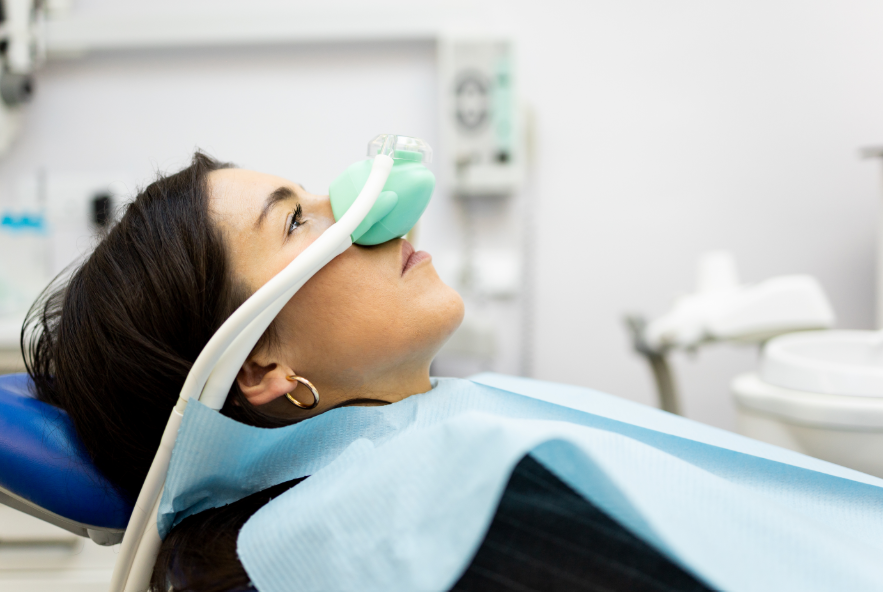
Nitrous oxide, commonly called laughing gas, is a mild form of sedation. You breathe it through a small mask placed over your nose, and it can help you feel calmer and more comfortable while remaining awake and responsive. The effects also wear off relatively quickly after the gas is stopped.
Oral conscious sedation involves taking prescribed medication before treatment. It generally produces a deeper level of relaxation than nitrous oxide and may make you feel drowsy. Because the medication can impair your alertness, you’ll typically need someone else to drive you to and from your appointment.
General anesthesia produces a much deeper state of unconsciousness. You are not awake or aware of the procedure while under general anesthesia, making it an option for certain complex treatments or patients who require a deeper level of sedation.
What Are the Benefits of Sedation Dentistry?
The biggest benefit is often a greater sense of comfort and calm. Sedation can help reduce fear and anxiety, making it easier for patients to receive dental care they might otherwise avoid.
It can also minimize awareness of sights, sounds, and sensations associated with treatment. For patients with a sensitive gag reflex or difficulty remaining comfortable during lengthy procedures, sedation may make treatment significantly easier to tolerate.
Just remember that sedation does not replace good communication. Your dental team will still monitor you and make sure you understand what to expect before treatment begins.
Who Is a Candidate for Sedation?
Sedation may be appropriate for adults who experience dental anxiety, have a strong gag reflex, have difficulty sitting still, or need extensive or lengthy treatment. However, sedation isn’t automatically right for everyone.
Your dentist will review your medical history, current medications, allergies, and the type of treatment you need before recommending an approach. Be sure to share any health conditions or medications with your dental team so they can determine the safest option for you.
What Should I Expect After Sedation?
Recovery depends on the type of sedation used. Nitrous oxide generally wears off quickly, while oral sedation and general anesthesia can require more recovery time. If you receive a deeper form of sedation, you may need someone to take you home and stay with you as you recover.
Sedation can take much of the stress out of receiving necessary dental care, helping you feel more comfortable from the moment you arrive to the time you head home.
About the Practice
Young Dental Advanced Dental Arts provides comprehensive dental care with a focus on helping patients feel comfortable and confident throughout their treatment. The practice offers multiple sedation options, including nitrous oxide, oral conscious sedation, and general anesthesia, allowing the dental team to tailor care to each patient’s needs.
Call us at (360) 676-0642 or schedule your appointment online.