
Sedation Dentistry Bellingham
The Calm You Deserve at Dental Visits

This will come as quite a shock, but not everyone enjoys visiting the dentist. That’s why the Young Dental team in Bellingham makes a concerted effort to ensure patients are completely comfortable in our office. We take the time to get to know our patients and offer them gentle, attentive dentistry. However, despite our best efforts, some patients still experience dental anxiety. Other patients may need extra help remaining numb during treatment or improved comfort for advanced and complex procedures. Contact our team to find out more about sedation dentistry to ensure a calm and peaceful experience throughout your time here.
Why Choose Young Dental for Sedation Dentistry?
- Partnered with a Licensed Anesthesiologist
- Sedation Services Not Found at Other Dental Offices
- Dental Patient Comfort is Our Top Priority
Oral Conscious Sedation

Soothing your anxiety at the dentist’s office can be easier than you realize. With oral conscious sedation, all you need to do is take a pill; once the effects kick in, you will be able to stay relaxed while you receive whatever treatment you need to protect the health of your smile. Oral conscious sedation can be a great choice in situations where nitrous oxide sedation isn’t enough to keep your dental anxieties under control.
What Is Oral Conscious Sedation?
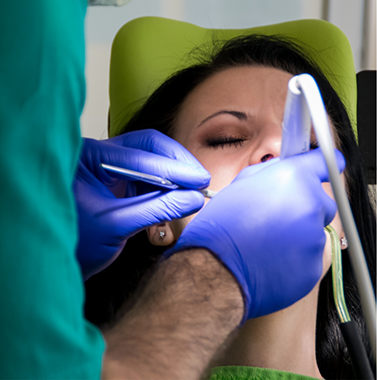
Oral conscious sedation involves the use of medication to put patients in a deep state of relaxation. It can involve various kinds of medication such as Valium, Ativan, and Halcion. When you agree to this type of sedation, you’ll be given a pill that must be taken orally before your procedure begins. After a short amount of time – often around 15 minutes or so – the medication will start to take effect.
Unlike general anesthesia, oral conscious sedation does not involve any needles. And unlike nitrous oxide sedation, there will be no need to wear a mask over your nose.
How Does Oral Conscious Sedation Work?
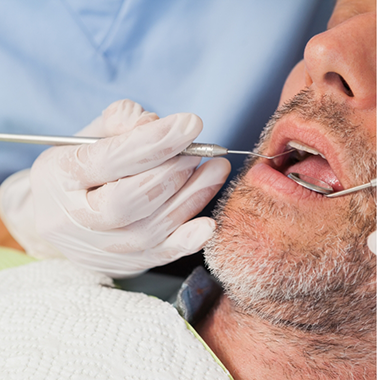
When under the effects of oral conscious sedation, you will be unbothered by your surroundings, and you may even be relaxed enough to drift off to sleep (although our team will be able to wake you up simply by giving you a gentle shake). Rest assured that we will pay close attention to your condition during every step of your treatment; every once in a while, we may ask about the level of comfort that you’re currently experiencing.
One thing to note about oral conscious sedation is that the effects of the medication can linger for quite a while, even after your treatment is complete. You will therefore need to rely on a friend or family member to take you home at the end of your appointment. Make arrangements to have someone keep an eye on you until the effects have fully worn off.
Are You a Good Candidate for Oral Conscious Sedation?

There is more than one kind of situation where oral conscious sedation can help you have a more positive dental experience. This option might be worth considering if any of the following sound familiar:
- You tend to be afraid or anxious whenever the time comes to visit the dentist (especially if these fears have caused you to cancel appointments in the past).
- You gag easily, which has gotten in the way of important dental work before.
- You need to have multiple dental treatments performed during a single visit.
- You are planning on having a particularly long dental procedure done.
- You find it difficult to hold your mouth open for extended periods.
- You often have trouble sitting still.
- You are resistant to local anesthetic.
- The best way to determine whether oral conscious sedation is truly right for you is to speak to our team; we’ll give you our recommendation based on careful consideration of your situation.
Nitrous Oxide Dental Sedation
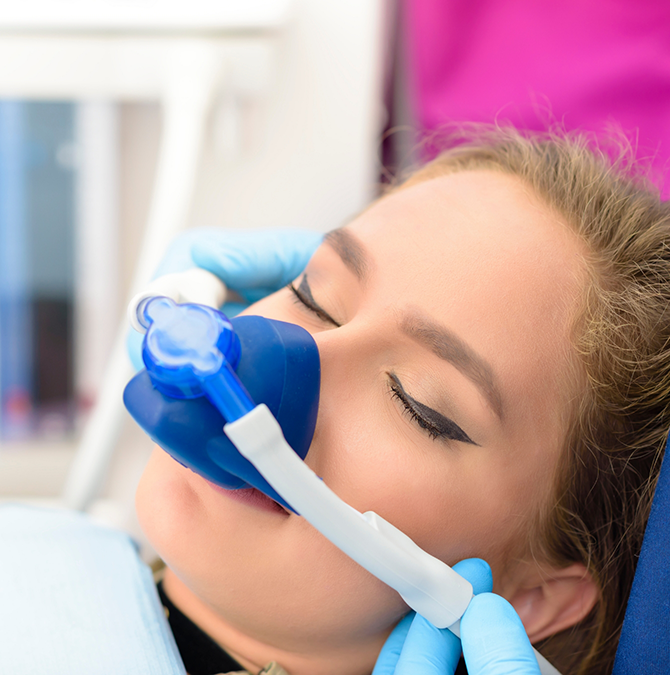
Commonly referred to as "laughing gas," nitrous oxide is a gentle sedation option ideal for patients experiencing mild dental anxiety. It’s safe for patients of all ages and effectively alleviates many common fears associated with dental visits. Whether you're due for a routine checkup, cleaning, or a simple dental procedure like a filling, nitrous oxide can induce a sense of relaxation throughout your appointment. If you’d like to learn more about this comforting solution, feel free to contact our team in Bellingham to schedule an appointment or continue reading below!
Who Is a Good Candidate for Nitrous Oxide Dental Sedation?

Because nitrous oxide is gentle, the vast majority of patients are eligible candidates. However, we'll need to review your medical and dental history before administering it. If you're pregnant or have a respiratory condition, we'll explore alternative options. On the contrary, if you experience dental anxiety, fear of needles, dental sensitivity, or similar concerns, nitrous oxide could be the solution you've been seeking!
How Does Nitrous Oxide Dental Sedation Work?
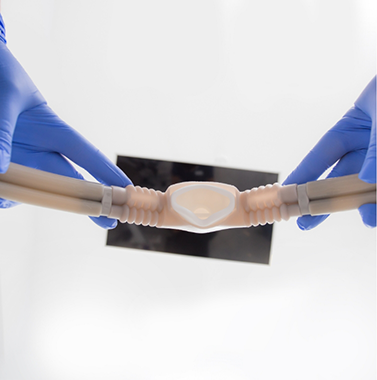
Still one of the most popular sedation options available, nitrous oxide takes effect quickly and can be easily adjusted throughout treatment to keep patients completely at ease. We’ll simply place a nasal mask, and you’ll inhale the nitrogen and oxygen combination during your procedure. Once we’ve completed your care, the nitrous mask is removed, and the effects of this sedative will quickly wear away. That means you will be able to resume your daily activities immediately following your appointment.
Aftercare for Nitrous Oxide Dental Sedation
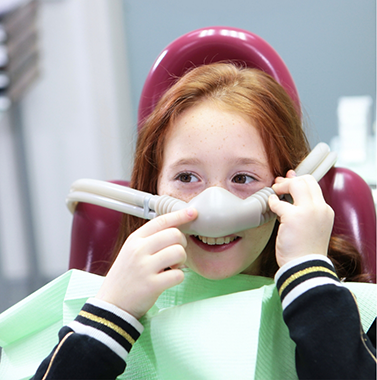
After the gas is turned off, its effects start to wear off right away. This means you can go back to your regular daily activities immediately after your appointment! This quick recovery is one of the top benefits of nitrous oxide, making it a great choice for patients of all ages.
Note: If you had extensive restorative or cosmetic work done, we'll provide you with aftercare instructions, such as rinsing with warm saltwater to reduce inflammation. And remember, if you have any questions about your treatment or nitrous oxide, don't hesitate to reach out to us! We're always here to help.
General Anesthesiology
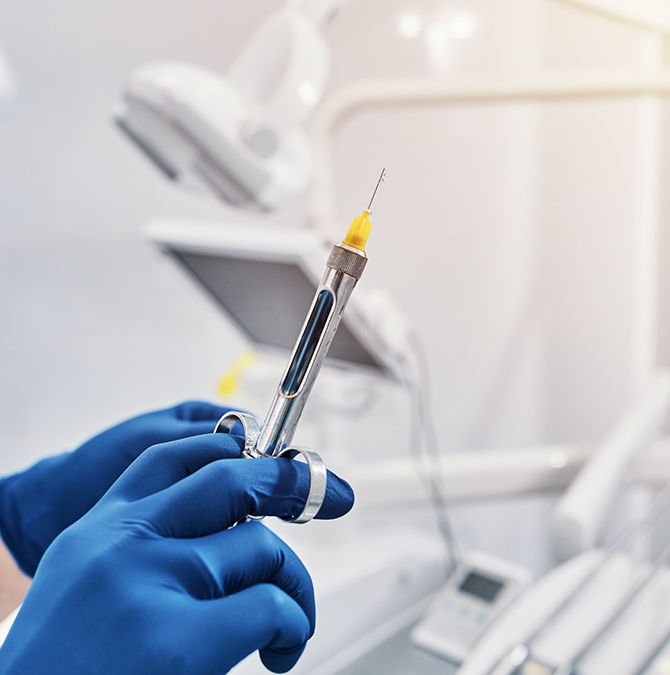
When people hear the word sedation, general anesthesiology is what they usually think of. Unlike other forms of sedation that allow patients to achieve comfort and relaxation during dental care while awake, general anesthesia renders patients completely unconscious throughout the course of treatment. To safely and effectively perform general anesthesia, a doctor needs to complete years of advanced training and education. For this reason, there are not many dental practices that offer full general anesthesia for patients. We have partnered with an anesthesiologist, Dr. Pfeiffer, for over a decade to ensure patient safety, and we’re able to perform complex procedures like dental implant placement and full mouth reconstruction without causing patients any unnecessary anxiety or discomfort.
What Is General Anesthesiology?
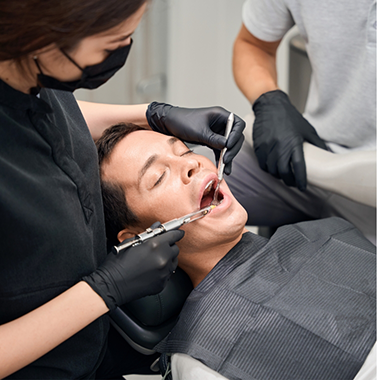
General anesthesia is used to render a patient completely unconscious during a medical procedure. To do this, a sedative is administered intravenously, so the effects will set in almost immediately. Throughout the procedure, additional doses of sedative can be administered via an IV line. We will monitor your vital signs throughout the entire procedure to ensure that you are perfectly safe. Because the effects of this type of sedation linger, you will need a trusted friend or family member to drive you to and from your procedure.
Who Is a Good Candidate for General Anesthesiology?

General anesthesia isn’t recommended for just anybody. Some of the most common reasons for administering general anesthesia in dentistry include:
- Pain Management: Some people still feel discomfort during dental procedures, even after getting a local anesthetic and dental sedation options. In some cases, general anesthesia is the only way for a patient to get the care they need.
- Complex Procedure: For patients who are getting longer, more complex procedures, like repairing facial trauma, extracting multiple teeth, or undergoing other surgical procedures, general anesthesia can guarantee comfort.
- Patients with Special Needs: Patients who have physical or cognitive impairments that prevent them from safely receiving treatment may benefit from general anesthesiology.
The Benefits of General Anesthesiology

There are many benefits of general anesthesiology for dental treatment. Here are the ones that patients can experience:
- Pain-Free Procedures: Patients experience no pain during procedures when administered general anesthesia. It just feels like you took a nap.
- Enhanced Safety: Dental procedures can work more efficiently and safely when the patient is completely still.
- Anxiety Reduction: Patients with severe dental phobias can undergo treatment without emotional stress.
- Time Efficiency: Multiple dental procedures can be completed at once.
Sedation
Dentistry
FAQs
Is sedation dentistry safe?
Sedation dentistry is safe for most patients. However, your dentist in Bellingham will review your medical history and any medications you are taking to ensure you have minimal risks of complications. Our office offers multiple types of sedation to find the safest solution for you. Generally, nitrous oxide is suitable for most patients. No matter the sedative, your dental team will closely monitor your vitals at all times for your safety. Our dentists are qualified to administer oral conscious, nitrous oxide, and General Anesthesia in conjunction with Dr. Pfeiffer.
Will I feel any pain with dental sedation?
You shouldn’t feel any pain during your procedure. You will remain conscious with nitrous oxide and oral conscious sedation; however, you won’t feel any pain. You may feel pressure, but it won’t be painful. If General Anesthesia is used, you’ll be unconscious, so you won’t be aware of anything going on during your procedure. It’s not unusual for a local anesthetic to be used along with a sedative, numbing the areas to keep you comfortable.
Does dental sedation put you to sleep?
Contrary to common belief, you are not “put to sleep,” unless general anesthesiology is used. However, you will reach a high level of relaxation with oral conscious and nitrous oxide. You may even drift off to sleep. Your dentist can awaken you easily to respond to verbal cues. It is not uncommon for people to not have a full memory of their time in the dental chair. Depending on the sedative, it can take a few hours for the effects to dissipate. Your dentist will review your aftercare instructions based on the sedative, such as arranging transportation home or limiting your activities.
What are the risks of sedation dentistry?
While dental sedation is safe for most patients, there are risks involved for people with certain underlying health issues, like obstructive sleep apnea. Certain medications can also increase your risk of adverse reactions. Everyone handles sedation differently, which is why your dentist will take the time to learn more about your health history. The risk of complications is minimal, but you may experience temporary side effects, like headache, nausea, or grogginess. Most patients feel back to normal within a few hours, but everyone reacts differently.
Is sedation dentistry safe while breastfeeding?
Most medications used in IV or oral conscious sedation have a low likelihood of affecting breast milk. However, your dentist may recommend nitrous oxide if you are nursing because it leaves your system within a matter of minutes. It’s important to let your dental team know if you are breastfeeding to ensure nothing affects your little one negatively.
Will I remember anything with dental sedation?
Depending on the type of dental sedation you receive, you may or may not remember much of your appointment. Generally, you are not unconscious unless you receive general anesthesia. However, the chances you’ll remember anything are slim.
Sedation is more likely to cause you to forget your procedure, which can be a positive factor for many patients. If you are concerned about this type of “forgetfulness” or “amnesia,” don’t be, as it is a temporary effect. It is designed to make oral healthcare easier for those who have extreme anxiety or past dental trauma.
Is sedation dentistry safe while pregnant?
It’s important that you talk to your dentist about your pregnancy when considering dental sedation. The reason is that the drugs used can pass onto the fetus through the placenta. Using any sedation during the first trimester can lead to issues related to your baby’s development, and if used during the third trimester, it can cause premature labor. While sedation dentistry is generally the safest during the second trimester, most dentists encourage all invasive procedures to wait until after the baby is born.
If you require sedation while pregnant, make sure to go with the least powerful or minimal amount. This usually means receiving nitrous oxide, as opposed to oral conscious or general anesthesia.
Is sedation dentistry covered by dental insurance?
Unfortunately, most dental insurance companies do not cover sedation, as it is deemed a “luxury” service. There are exceptions, however, if you have a disability and cannot receive dental care without it, your insurance company will help pay a portion of the total cost. Another exception is if you require complex procedures (i.e., multiple tooth extractions).
You should remember that every dental insurance plan is different, so it’s worth reviewing your policy to make sure it doesn’t include sedation dentistry as part of your available coverage. If you need help navigating these details, do not hesitate to contact a member of our team.
How long does dental sedation last?
Each method of dental sedation has a different timeframe for how long the effects last. Nitrous oxide wears off almost immediately once the mask is removed and the gas is turned off. Oral conscious sedation will require you to go home and rest the remainder of the day (you’ll also need someone to drive you home).
General anesthesia will require more time to wear off, as it is considered more intensive. You will likely feel groggy for several hours after your procedure, so someone will need to escort you home so that you can rest until the anesthesia wears off.