
Tooth Extractions Bellingham
Restoring the Health of Your Smile

At Young Dental, we know that no substitution can truly compare to your natural teeth. That’s why we never suggest tooth extraction unless it’s absolutely necessary to restore the health and function of your smile. In cases where a tooth is severely damaged or compromised, or if you need a tooth extraction in Bellingham to restore your dental structure, we’ll walk you through every detail of the treatment and do everything we can to deliver a comfortable experience.
Why Choose Young Dental for Tooth Extractions?
- Dental Team Dedicated to Patient Comfort
- Sedation Dentistry for Nervous Patients
- Partnered with a Licensed Anesthesiologist
Why Do We Suggest Extracting Teeth?
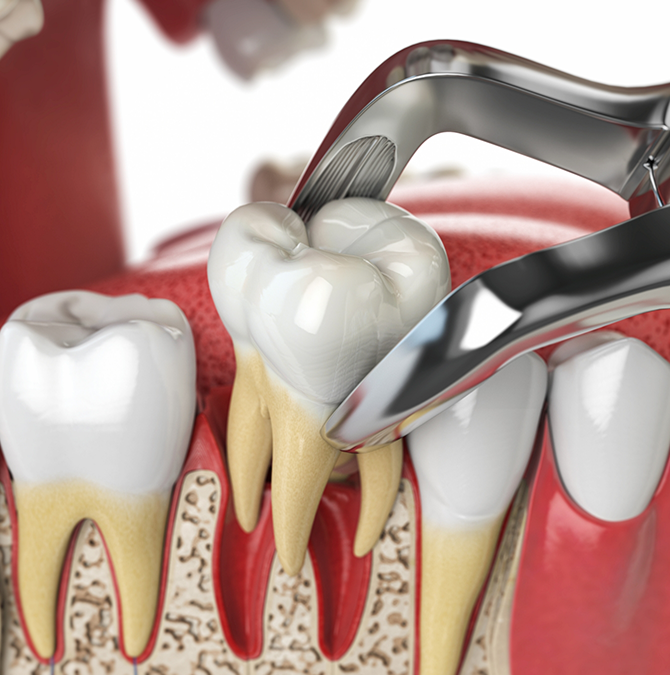
We only recommend extracting a tooth if it's absolutely crucial to maintain good oral health. In cases where a tooth is severely damaged or infected, removing it can prevent the problem from spreading to surrounding teeth, creating widespread damage to your smile. Here are some situations in which we may suggest this procedure:
- When a damaged tooth can’t be repaired.
- When an infected tooth can’t be treated with root canal therapy.
- When gum disease has caused a permanent tooth to become loose.
- When you require more room in your mouth for a restoration or to undergo orthodontic treatment.
- When wisdom teeth are impacted below the gumline or pose a threat to your oral health.
The Process of Extracting a Tooth
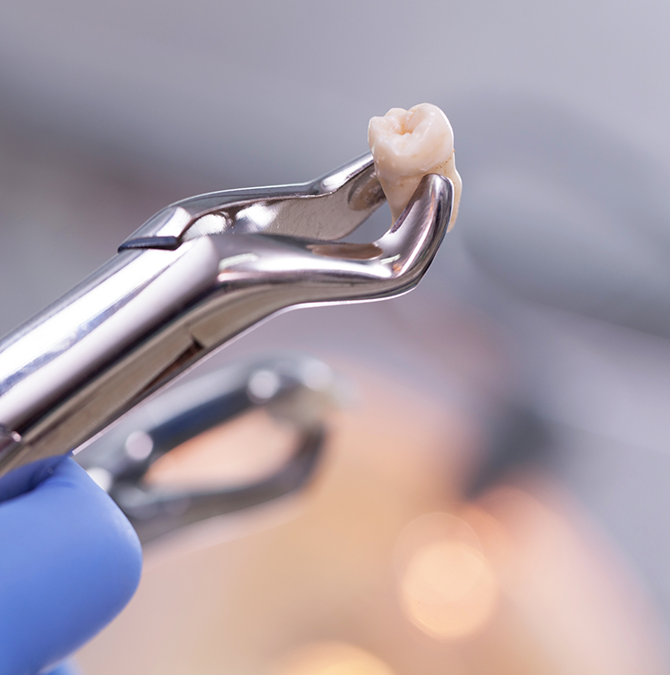
If your tooth has already protruded through the gumline and is showing, we can easily remove it using two instruments, a dental elevator and forceps. We’ll use the elevator to gently lift your tooth free of its socket. Then, we’ll hold the biting surface with a pair of dental forceps to gently lift it from your mouth and remove it. For more complicated situations, we may need to surgically remove the tooth, which is a different process.
Healing After Your Tooth Extraction Procedure

Rebuilding Your Smile to Be Healthier Than Ever

After a tooth extraction in Bellingham, you don’t have to live with an incomplete smile. We offer a variety of restorative treatments to provide you with a fully functional and complete grin. To learn about all of the treatments that we offer, feel free to call our office or ask us before you receive your tooth extraction.
Understanding the Cost of Tooth Extractions
Factors That Can Affect Tooth Extraction Cost

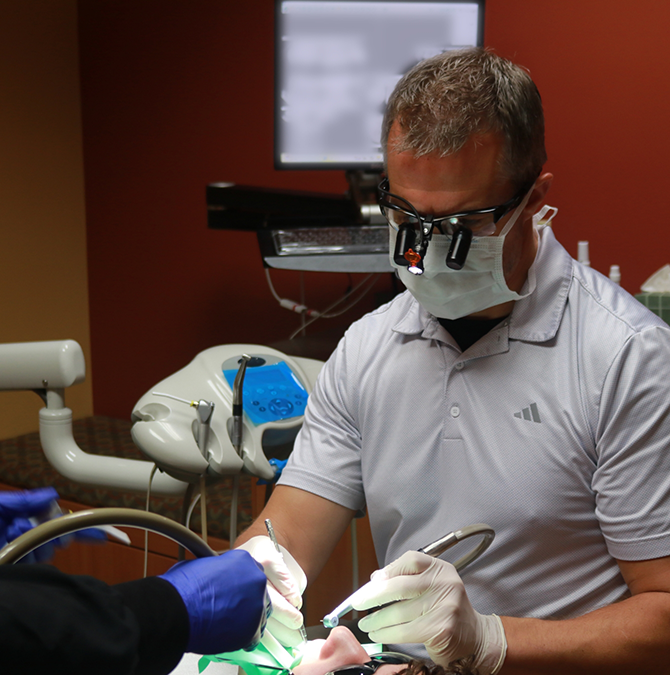
No two smiles will be exactly alike, so you can be sure your treatment plan will be specifically tailored to your unique situation—including the cost! Although the price can vary from case to case, here are some common factors that can affect the overall price of the procedure:
- The number of teeth needing extraction: Removing a single tooth will cost much less than extracting several teeth.
- The kind of extraction required: Simple extractions are more straightforward, whereas extracting an impacted tooth will need minor oral surgery that may involve stitches.
- The type of tooth extracted: Teeth that need to be extracted from the back of the mouth can be more difficult to remove than those in the front, which can impact the price.
- Tooth-replacement solution: Dental bridges and dentures typically have a lower cost compared to tooth replacements like dental implants.
Does Dental Insurance Cover Tooth Extractions?
Most dental insurance companies will consider tooth extractions as essential procedures, so you’ll likely expect to receive coverage for these treatments. In many cases, they can typically offer about 50% coverage of the total cost of the service once you’ve met your deductible. Even so, every policy is different, and you might have certain limitations before the benefits start kicking in, such as waiting periods. That’s why you’ll want to double-check the details of your plan with your provider before starting your procedure. You can also speak with our team so that we can help you navigate your policy, file claims, and advise you on how to make the most of your benefits.
How to Make Tooth Extractions Affordable

Those who aren’t currently insured shouldn’t worry too much about being left completely on their own. Our team understands that not everyone will have a policy to help them. That’s why we’ve partnered with a third-party financier known as CareCredit. With their help, you can sign up for a plan that can break up the overall cost of your treatment into smaller payments. Best of all, they often come with little to no interest, allowing you to keep more in your wallet in the long run!
Tooth
Extractions
FAQs
Does Getting a Tooth Extracted Hurt?
Many patients are hesitant to commit to treatment because they’re worried that the procedure will hurt. Fortunately, whether you are getting one tooth pulled or multiple, the first step is always going to be numbing your mouth with a local anesthetic. You shouldn’t feel any pain during the procedure, but you are likely to experience some soreness for a few days after the procedure. Closely follow your aftercare instructions to prevent infection and promote healing.
Can I Leave the Space Empty After a Tooth Extraction?
If the tooth that is getting pulled is towards the back of the mouth, many patients think that they don’t need to have it replaced. After all, if no one can see it, why replace it? In reality, your teeth do so much more than just add to the appearance of your smile. They are essential to chewing properly and enunciating clearly. Even one missing back tooth can make it difficult to chew, leading to poor nutrition and indigestion. It is recommended that when you’re done healing, you schedule an appointment with your dentist to determine which tooth replacement option is right for you.
Can I Smoke After Getting a Tooth Extracted?
Since tobacco products can delay the healing process, you shouldn’t smoke immediately following your tooth extraction. It is recommended that you abstain from smoking for at least five days afterwards. However, if you are able, you should avoid smoking for two weeks. If you have had difficulty quitting in the past, let us know. This way, we can help you prepare in advance.
How Long After a Tooth Extraction Can I Get Dentures?
It usually takes around six to eight weeks to get your dentures. Once you’ve healed completely, your dentist will take impressions of your mouth that will be used to craft your restoration. During this time, they will make note of the ideal size, shape, and shade of your replacement teeth, which the dental laboratory will use to craft your new smile. Once they have been created, your dentist will have you try them on and teach you how to care for them.