
Dentures Bellingham
Quick, Affordable Tooth Replacements to Smile About

Dentures are a classic way to replace a complete set of teeth and improve your quality of life with a single, custom-made solution. Our professional, friendly Young Dental team will make sure you have a wonderful experience as we help you choose the tooth replacement option that’s right for your unique needs. Keep reading below to learn more about how dentures in Bellingham may be the perfect choice for you.
Why Choose Young Dental for Dentures?
- Traditional & Implant Dentures Available
- All-On-X One-Visit Implant Dentures
- Prosthetics Designed Using Latest Technology
Types of Dentures
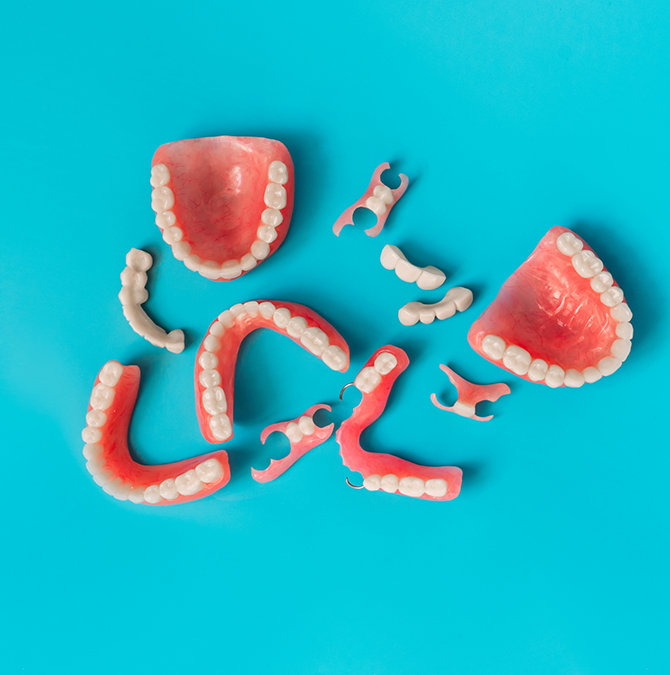
Did you know that there are several types of dentures? Each one is crafted from high-quality materials for lifelike and long-lasting results. Any denture represents a very new way of life, and a great deal of thought and preparation should go into your decision about which type of denture you’d like.
Partials
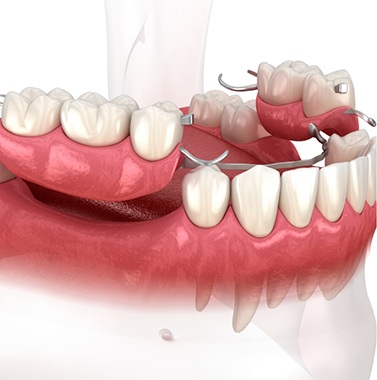
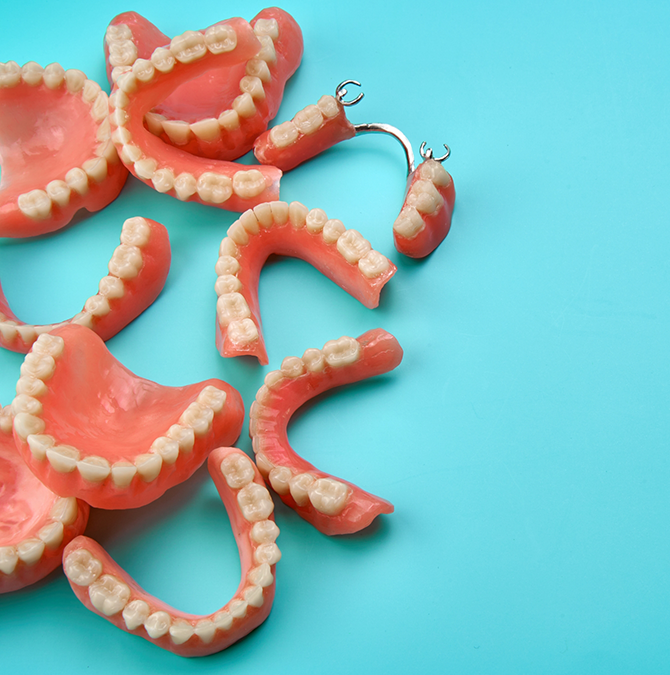
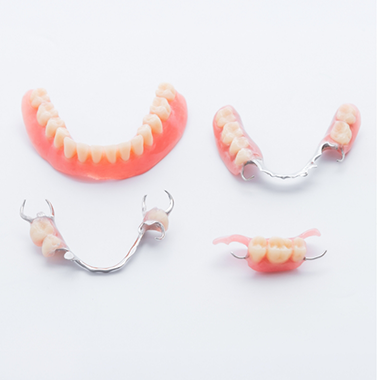
If you’re missing several consecutive teeth, we can create a custom partial denture to fit into the open space like a puzzle piece. This replacement option is designed to fit precisely around and between your remaining teeth, using a few small metal clasps wrapped around your natural tooth structure to hold it in place.
Full Dentures
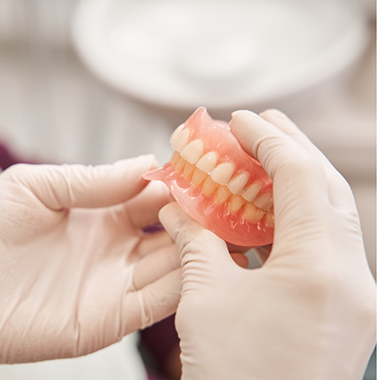
Classic full dentures can replace an entire arch of missing teeth all at once. Custom-made teeth are set into a gum-colored acrylic base to mimic a complete set of beautiful pearly whites. The close fit of the base ensures that the denture sits comfortably and securely on your gums with natural suction. These tissue-supported dentures are different in a couple of key aspects. Upper dentures typically fit very well due to the use of the hard palate as a base for stabilization. Lower dentures are not as stable due to the tongue muscle moving constantly. For this reason, we strongly advise our patients to explore using implants, especially on the lower arch, to achieve the results you will be happy with.
Implant Dentures
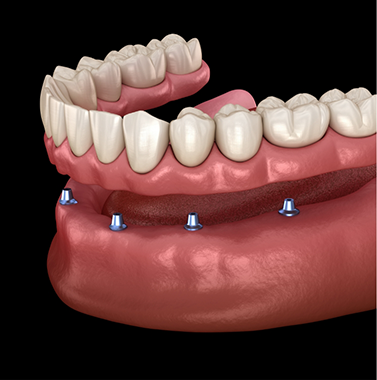
If you’re interested in having dentures made, or you already have them, you may also want to consider dental implants, which can be used to support either permanent or removable dentures. We’ll use small titanium posts that have been placed into your jawbone to anchor your beautiful new teeth in place.
Hybrid Dentures
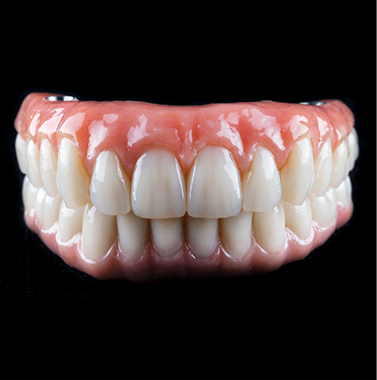
One area in which Dr. Young and Dr. Montileaux are very excited is in hybrid denture therapies. This technology allows a union between the benefits of dental implants and the economics of dentures. Please ask us if you might be a candidate for a hybrid denture.
Who’s a Good Candidate for Dentures?

Dentures are not for everyone, and your case will need to be reviewed by one of our dentists before a final recommendation can be made. During your initial consultation, we’ll carefully inspect your oral health, go over your medical history, and discuss your smile goals to ensure that dentures are a good choice for you.
Effects of Missing Teeth

There are a variety of ways that tooth loss can occur. According to the American College of Prosthodontists, the common causes of missing teeth include tooth decay, gum disease, and trauma, like a sports injury or accident. Tooth loss can lead to a variety of negative consequences over time. Here are just a few of them:
- Facial Sagging: Without teeth, your facial muscles aren’t being supported. Your cheeks may appear sunken, and your lips wrinkled. Ultimately, this can leave you looking much older than you actually are.
- Difficulty Speaking: When you are missing teeth, it can become difficult to enunciate your words, making it harder for others to understand you.
- Trouble Eating: If you can’t chew tougher foods, you are leaving out staples that contain essential vitamins and minerals.
- Low Self-Esteem: Everyone wants to feel great about how they look. Having gaps in your smile can take a toll on your self-confidence, therefore negatively impacting your social and professional life.
What Qualifies You for Dentures?
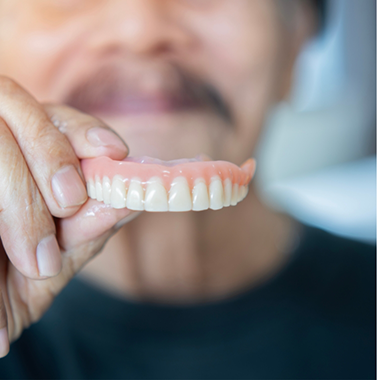
As stated before, you might qualify for dentures should you have major tooth loss. That said, there are other symptoms to consider. The restorations are also great for sensitive teeth, tooth decay, and sufficiently healthy gum and jaw tissue. Furthermore, patients committed to dental health and appliance care will most benefit from treatment.
The denture type best for you will depend on how many teeth you’ve lost. Large numbers might result in a full denture. In contrast, missing only a few teeth could call for a partial denture. Whichever kind you get, though, it’ll be more affordable than other tooth-replacement methods. For that reason, dentures are a good option for anyone on a budget.
Alternative Tooth-Replacement Options
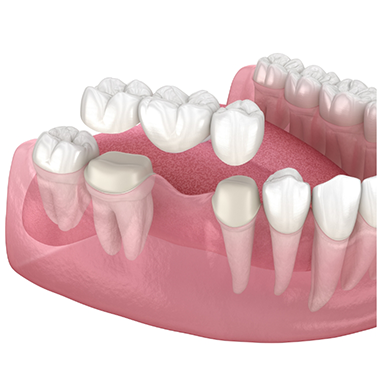
Should you not qualify for dentures, that’s okay. At Young Dental, we offer several other tooth-replacement options. In particular, we have:
- Dental Bridges: A dental bridge is a fixed restoration that replaces one or a few teeth. It comprises two (or more) crowns affixed to either side of an artificial tooth (i.e., pontic). As a result, this prosthetic requires healthy teeth to surround the treated smile gap.
- Dental Implants: Dental implants are restorations placed directly in your jawbone. Given that fact, they need a solid bone structure to fuse with your jaw. These prosthetics are permanent and don’t slip or fall, though they are more expensive than traditional dentures.
Learn More About Dental Bridges
Learn More About Dental Implants
The Benefits of Dentures

If you’ve been struggling with missing one, several, or all your teeth, then you know how difficult it can be to perform daily tasks like eating, talking, and smiling comfortably. Not only can this affect your speech and diet, but your self-esteem may also take a hit. However, by choosing to replace your missing teeth with dentures, you’ll be able to enjoy sharing a confident grin with the world once again! Read on to discover the benefits of dentures in Bellingham.
Psychological Benefits

Losing any teeth can have a major impact on your self-confidence and quality of life. Many people who’ve suffered tooth loss end up experiencing an increased risk of social anxiety, sadness, and even depression. By restoring your smile with help from your denture dentist in Bellingham, you can avoid worrying about how you look when you talk or laugh. Since you’ll be able to eat and speak more confidently again, you’ll also enjoy a boost in self-esteem when engaging in social activities.
Clearer Enunciation

It can be challenging to pronounce certain words whenever you’re missing teeth. This is because your lips and tongue interact with them to execute proper speech. Without clear enunciation, it can be difficult to communicate effectively. Since dentures restore your entire smile, they can make it easier for you to converse with others again. While this may take some practice to get accustomed to using them, you’ll be able to speak more fluently and confidently in no time!
Improves Nutrition

Tooth loss can impact the appearance of your smile as well as the kinds of foods you can eat. If you can’t chew your meals thoroughly, you might experience problems like indigestion and malnutrition. By restoring your teeth with dentures, you’ll regain the capability to break down your food, expanding the scope of your diet. Plus, you’ll be free to consume meals containing essential nutrients to boost your health.
Preserves Oral Health

Whenever you’re missing teeth, adjacent teeth can begin to shift out of place to fill in the gap. If left unchecked, this can lead to further tooth loss and jawbone resorption. These potential complications can be avoided by getting dentures, which can help stabilize your smile. Your restorations can also withstand more chewing pressure and prevent further wear and tear of your remaining natural teeth.
Expands Opportunities

Your grin is one of the most crucial aspects of a first impression since it’s one of the main things people will notice about you. This is especially the case during job interviews, social gatherings, and even first dates. In fact, according to a 2019 study, poor oral health was closely associated with a lower probability of being employed. For this reason, regaining your complete smile with dentures will improve your health as well as boost your career and personal opportunities in the years to come!
Understanding the Cost of Dentures

Are you worried about the cost of dentures in Bellingham? This is a natural concern for many patients, especially those who may be uninsured or do not believe their dental insurance will pay the majority of the cost. The reality is that there is no set price for these prosthetics. An initial consultation with our team at Young Dental will help you to better understand how much you can expect to pay for your new smile. You can also expect our team to identify ways to maximize your dental benefits and assist in helping you apply for any financing you might need.
Factors That Affect the Cost of Dentures
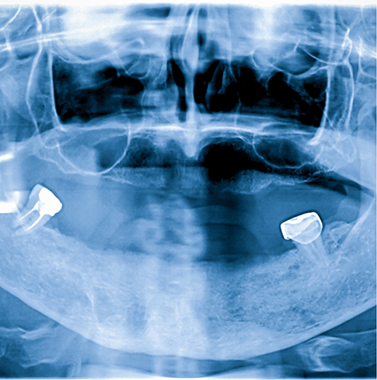
No two patient cases are the same, which is why there is no designated price tag for dentures. Instead, your denture dentist will meet with you during a consultation to discuss your goals, the process of receiving dentures, your eligibility, and the various factors that will determine the cost of your new teeth. These can include:
- The potential for any preliminary treatments you might be required to undergo, such as periodontal therapy or bone grafting.
- The number of teeth you are missing and whether you need a partial denture, full denture, or prefer an implant denture.
- The type of materials used to create the base and artificial teeth that will attach to your denture. Typically, it is acrylic for the base and acrylic or porcelain for the teeth.
With many available materials and options on the market, you might wonder if there are cheaper solutions. Yes, there are, but you will not receive the same quality. Cheaper, less expensive options can break more easily and require more frequent adjustments and replacements. However, choosing higher-quality materials will allow you to enjoy a longer-lasting prosthetic.
Are Implant Dentures More Expensive?
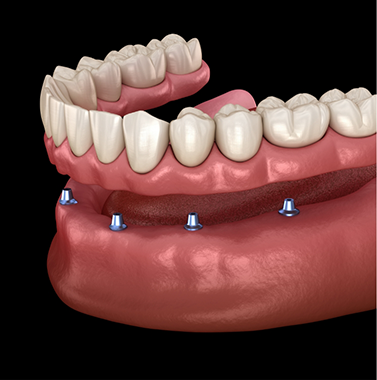
Implant dentures are indeed more expensive than traditional ones, but if you compare the two types, you’ll quickly see why those implanted into the jawbone come at a higher cost. Unlike regular dentures that only sit on top of the gums, implant dentures are secured to the jawbone and fuse over time. This creates a stable, solid foundation for your new smile and doesn’t cause you to worry about your prosthetics slipping or falling out while eating or speaking. You also do not have to worry about regular adjustments because your implants are firmly in place and can last 30 years or longer with proper maintenance and care.
Does Dental Insurance Cover Dentures?

You’ll be pleased to learn that most dental insurance companies offer coverage for dentures. Because they’re commonly deemed a minor or major restorative service, your insurer may cover anywhere from 50-80% of the total cost. This can be extremely helpful no matter your financial situation. After evaluating your deductible and annual maximum, you can expect our team to help you find ways to maximize your benefits and get the highest possible reimbursement.
Other Options for Making Dentures Affordable
Whether you have dental insurance or not, we can help you manage your budget by recommending two different financing options: Proceed Finance or CareCredit. Both companies offer repayment plans that make it possible for you to pursue treatment with dentures while avoiding high upfront costs. Instead, you can choose a plan that is right for you and allows you to pay back the amount in monthly installments.
How Dentures Are Made
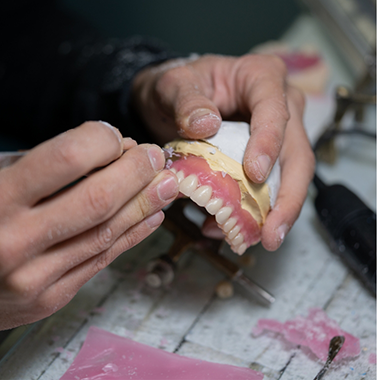
Each denture that our team crafts in collaboration with our trusted dental laboratory is customized just for you. From the shade of the replacement teeth to the shape of the base, your needs are at the forefront of the vision and design of your prosthetic. If you’re interested in how we get the final result that will continue serving you in your daily life for years to come, read below.
What Materials Are Dentures Made Of?
There are two main parts of traditional dentures: the base and replacement teeth. The base is crafted from a gum-colored acrylic, nylon, or resin that closely matches the appearance and shades of your gum tissue. While full dentures have a base that’s fitted to comfortably be placed atop your arch, partials have a metal base that’s designed to fit like a puzzle piece between your existing teeth to hold the replacements within the mouth. Despite the underlying metal, these will still have a natural gum-colored acrylic layered atop it for a seamless appearance.
The replacement teeth of dentures are typically made from resin or porcelain because they both closely mimic the natural appearance of teeth. The teeth are custom shaded to match your smile as well, ensuring that onlookers won’t be able to distinguish your home-grown pearly whites from your artificial ones.
The Denture Creation Process
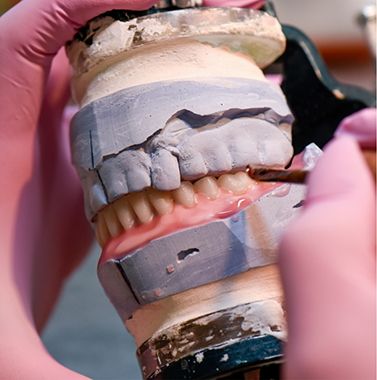
We’ll send your impression to our dental laboratory to begin the process of crafting your denture. There, they’ll create a wax model of your gumline and set your replacement teeth in it using a special mechanical instrument called an articulator.
The wax model is then used in a pre-fitting process to make sure it remains secure within your mouth before being returned to the lab. They’ll create a plaster model of the wax replacement teeth and boil it to melt the wax. This will allow them space to inject the acrylic and other materials within the mold to create your permanent dentures. Once they’re made, the lab will shape, texturize, and further sculpt them to make them look realistic.
Adjusting to Your New Dentures
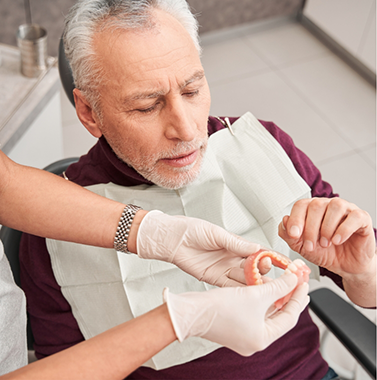
The adjustment process for new dentures typically takes place over your first 30 days with them. You’ll notice discomfort as your gumline and facial muscles adjust to having them in your mouth. It’s also common for patients to produce more saliva during this time period. We recommend eating a relatively soft diet, or if you do eat chewier foods, be sure to cut them up into smaller pieces that are easier to chew.
Dentures Aftercare
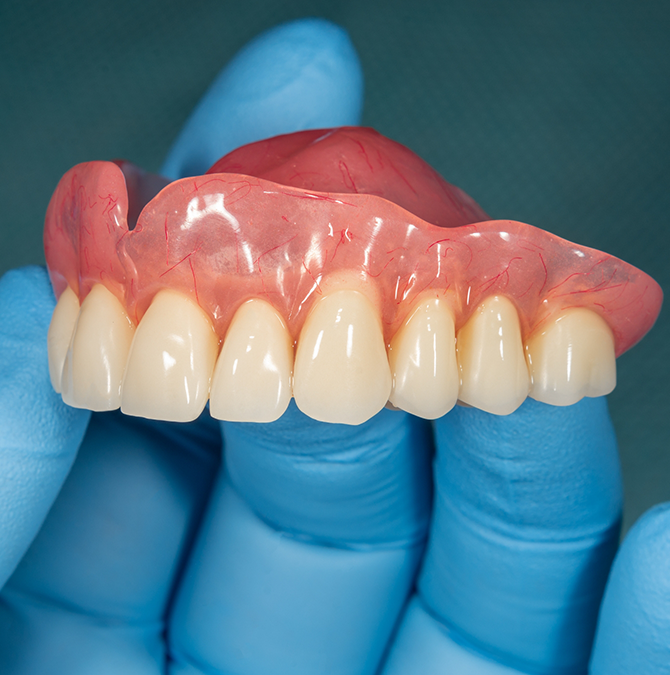
Once you get dentures, it will be up to you to make sure your prosthesis and your mouth are properly cared for. To that end, you should plan on continuing to visit your dentist once every six months so that they can check for any problems that might be developing. On top of that, you should take whatever steps you can to keep your dentures clean and in excellent condition. Below, you’ll find some key tips for taking care of removable or All-on-X dentures at home.
Removable Dentures
Remove After Eating
You don’t want to leave food lingering on your dentures for too long, so as soon as you finish a meal, you should take your prosthesis out of your mouth. Gently rinse it off at the nearest sink to get rid of all the food debris before you put it back in your mouth. Remember, high temperatures can warp your dentures, so when you rinse them off, double-check to make sure that the water isn’t too hot.
Clean Your Restoration
When cleaning your dentures, do not use toothpaste. It may seem like a natural choice for the job, but it could end up damaging your replacement teeth if you’re not careful. It’s better to use a gentler cleaning product, such as unscented hand soap or a specialized denture cleanser. Also, be sure to use a toothbrush that has soft bristles.
Keep Your Dentures Safe
Never leave your dentures anywhere that your children or pets can easily get to. Your prosthesis should always be kept safely out of the reach of anyone who might damage it by accident. Also, when you take your dentures out of your mouth to clean them, hold a towel below you. This makes it less likely that your prosthesis will be damaged if you drop it.
Remove Dentures When You Sleep
Wearing dentures 24/7 can irritate your gums and increase your risk for pneumonia and other health issues. As such, when you’re getting ready to go to bed, you should always take your dentures out first so that you can give your mouth a break overnight. Be sure to leave your dentures in a soaking solution so that they don’t dry out.
Notice Changes
Sores suddenly appearing in your mouth, damaged artificial teeth, and a prosthesis that keeps shifting around are all changes that could potentially point to a problem with your dentures. If you notice any particularly concerning symptoms, please give our office a call right away.
All-on-X Dentures

Since All-on-X dentures stay permanently anchored to your jaw, you can clean them the same way you would your natural teeth: by brushing them with a soft-bristled toothbrush and non-abrasive toothpaste. Don’t forget to floss your dentures as well. If you’re having trouble cleaning the various nooks and crannies in and around your All-on-X dentures, consider investing in a water flosser. Finally, get in the habit of rinsing with antibacterial mouthwash. Doing so will help stop harmful tartar from building up on your dentures.
Dentures
FAQs
What is the average age for dentures?
Tooth loss does not have to be a reality, but it is a more common occurrence among older patients. According to the National Center for Health Statistics, it is believed that an estimated 66% of adults between 40 and 64 are missing at least one tooth. This is compared to the 33% of individuals ages 20-39. To understand just how many people currently wear a full or partial denture, the American Dental Association (ADA) discovered after taking a census that roughly 57% of people ages 65-74 wear a denture of some kind. Although movies, cartoons, and television shows depict more older adults wearing dentures, the truth is that people of all ages can be candidates for dentures.
Will it hurt to get dentures?
The answer to this question depends. If you need a tooth removed before receiving dentures, you will likely experience some soreness and discomfort; however, this should only last a few days. Once you are fitted with your new denture, you may feel some minor irritation because your jaw, bone, and gums will need to adjust to your new fixture. Not to mention, your tongue will need to learn to maneuver with your new denture in place. While this irritation can vary from person to person, it typically can take a few months before your denture feels more “normal.”
If you are switching to a new set of dentures, you may actually find that the adjustment phase takes longer than before, but should you notice that the discomfort is not dissipating as quickly as your denture dentist in Bellingham said it would, make sure to call the office. It may be that your dentures do not fit properly, or there may be an underlying issue that needs to be resolved.
Is it hard to talk with dentures?
Yes, in the beginning, it can be difficult to talk while wearing your dentures. The reason is that it is a foreign object in your mouth, and your tongue and other facial features must adjust. How long it will take can vary from person to person, but the more you practice speaking, the quicker the adjustment phase will be. If you notice a lisp, you’ll want to practice reading aloud to yourself and saying difficult words repeatedly. You may also want to speak slowly at first, as well as bite down and swallow before starting to talk. The reason is that your denture can slip if you’re not used to talking while wearing dentures. You can also use a small bit of dental adhesive to keep your dentures firmly in place during the adjustment period.
Can I use regular toothpaste to clean my dentures?
No, it is best to avoid using traditional toothpaste on your dentures. While you are expected to clean and rinse your dentures daily, you will need to use a mild dishwashing liquid or hand soap. You can also opt for a specialized denture cleaner. Toothpaste can be abrasive and result in scratches to your artificial teeth. Also, you’ll want to make sure you’re using a soft-bristle toothbrush to clean your dentures. Making sure they are cleaned after every meal will help to keep food particles, bad bacteria, and odors from developing and forming on your prosthetic.