
Dental Implants Bellingham
The Best Way to Restore Your Smile
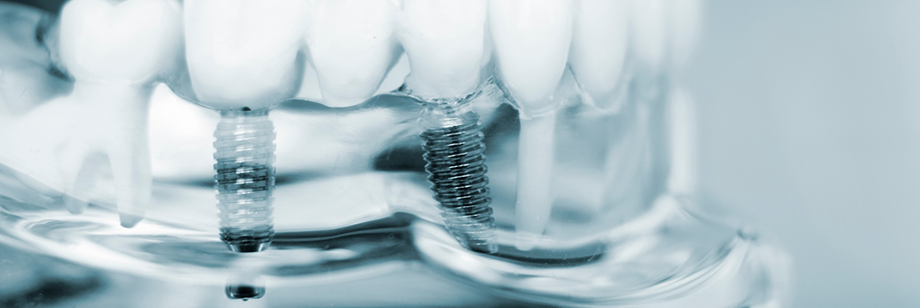
If you are looking for the most natural solution to replace a missing tooth or teeth, then dental implants are something you should consider. They offer a level of esthetics, longevity, and function that other options simply can’t, which is why they have become the most popular treatment over the past few decades. Call our office to schedule an appointment to learn more about what dental implants in Bellingham could do for you.
Why Choose Young Dental for Dental Implants?
- Entire Dental Implant Process Completed Under One Roof
- Very High Rate of Clinical Success, Thousands of Implants Placed
- Cone Beam CT Scanner for Precise Dental Treatment Planning
What Are Dental Implants?
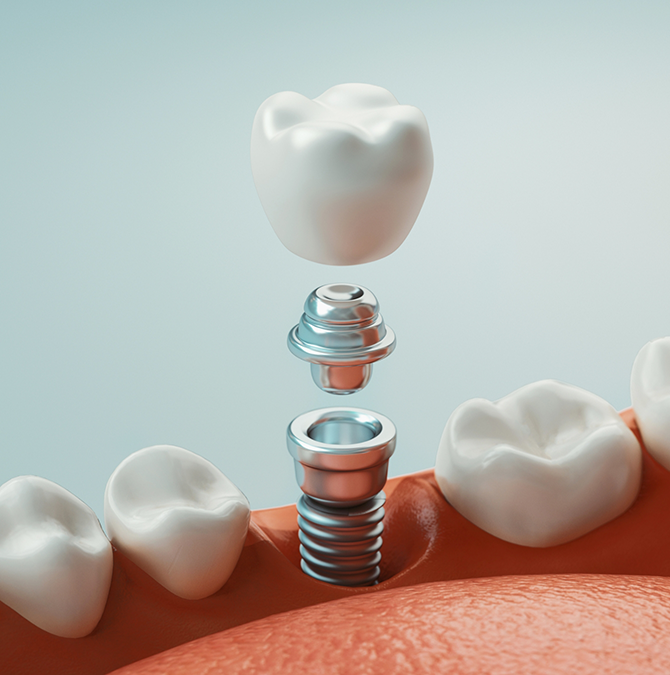
A dental implant can replace the root of a missing tooth. You may never have considered the root of your tooth before – likely because you have never seen it. Such is the case with a dental implant. You will never really see it, just the porcelain tooth we put on top of the implant after it has healed.
A dental implant is a threaded titanium fixture designed to be placed in the jawbone. The implant surface is designed to allow the bone to grow in and around it – a process we call osseointegration. This occurs slowly over the course of three to six months. Once your implant has essentially become one with your jawbone, we place metal attachments, called abutments, that will allow us to secure your custom-made crown, bridge, or denture on top.
Benefits of Dental Implants

Dental implants have quickly become one of the most popular tooth replacement options for a good reason! To begin with, they have a success rate of over 90%, making them incredibly predictable. However, dental implants in Bellingham can also provide you with a unique set of benefits that you won’t be able to get with any other option. Read on to learn about these significant advantages!
Bone Health
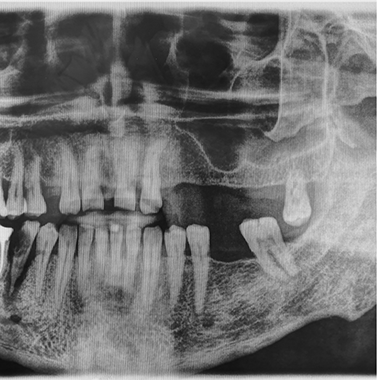
Dental implants are a comprehensive replacement solution, restoring your teeth from the roots up. When you lose teeth, your bone loses the stimulation it was once getting from their roots, leading to deterioration. If the jawbone shrinks too much, it can cause additional tooth loss. However, dental implants are surgically placed in your jawbone, and they stimulate it to grow new bone and fuse to the jaw. This maintains your jaw health and your full facial appearance while preventing additional tooth loss!
Dental Health
Other tooth replacement options, like dental bridges, rely on your natural teeth for support. This requires the removal of your healthy enamel to accommodate the dental crowns that support your dental bridge. Dental implants are rooted in the jawbone, which allows us to avoid altering your existing natural smile. This helps you keep more of your original smile intact for a more conservative approach to dentistry.
Lifelike Appearance

Dental implants look and feel just like your natural teeth because they are firmly secured in your jawbone. The dental implants allow your restorations to mimic the way your teeth emerge from your gums for the most lifelike appearance. This gives you the confidence to flash your smile in any social or professional setting!
Comfort & Function

Part of the beauty of having a natural-looking and feeling smile is that it also functions just like your original teeth! Instead of avoiding certain foods because of your dentures, you can confidently chew through your favorite foods with ease. Dental implants are made out of titanium, which fuses to the jaw to create incredibly sturdy supports for your restorations. This makes it simple to eat, speak, and laugh without ever worrying about your smile shifting around.
Longevity

Unlike other tooth replacement options that lose their strength or function, dental implants themselves can last for an entire lifetime as long as they are cared for properly. While your restorations will eventually need replacing, your routine brushing, flossing, and visits to our office will ensure that you can enjoy your implants for decades to come.
The 4-Step Dental Implant Process

If you know much about how dental implants work, you understand that it is a timely process. Although you devote much time to restoring your smile with these permanent and longer-lasting prosthetics, the results are well worth the investment in your time and money. At Young Dental, we are pleased to provide start-to-finish dental implant placement and restoration all under one roof. This commitment to our patients, as well as the advanced dental technology used to ensure proper placement and success, makes the entire process seamless and far more enjoyable.
The dental implant process consists of four stages: consultation, surgery, osseointegration, and restoration. While each patient’s experience may vary, the same steps are followed to ensure optimal results.
Initial Dental Implant Consultation
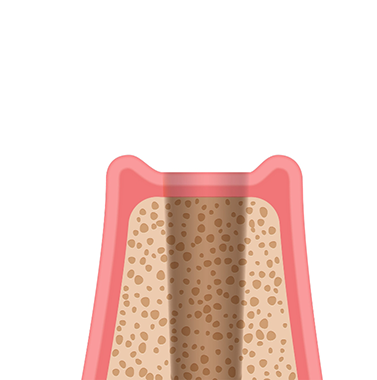
Dr. Young or Dr. Montileaux will go over your overall history during your initial consultation before using advanced technology to capture images that will allow for a closer look at your jawbone, gums, and other facial structures. Once they can determine if you are eligible for dental implants in Bellingham, they will discuss any preliminary treatments that might be necessary to ensure successful implant placement. These may include periodontal therapy, tooth extractions, or bone grafting, depending on the density of your jawbone.
After formulating a personalized treatment plan and going over the details of the entire process, you will also discuss the cost of your dental implant placement.
Dental Implant Surgery
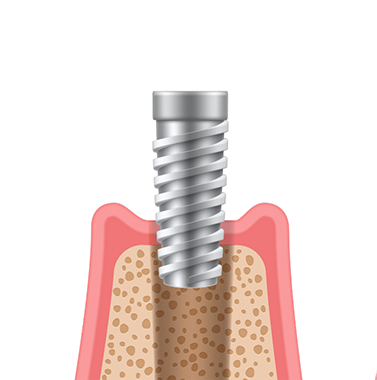
At Young Dental, the entire dental implant process is completed in-house under one roof. This makes for a much more convenient and comfortable arrangement for our patients, which we are pleased to provide. When meeting with your implant dentist in Bellingham the day of your surgery, you will receive local anesthesia to numb the areas of your mouth and help you stay pain-free throughout the procedure. After making small incisions in your gums and gently inserting each implant at the precise angle, we will close the gum tissue and place a protective cap over the top of your implants. We also offer sedation options to help you through the procedure.
Dental Implant Osseointegration/Abutment
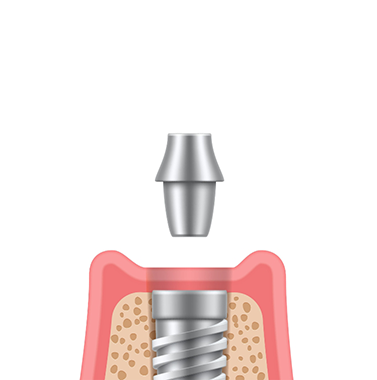
During the next 3-6 months, you can expect to recover at home. The process of osseointegration will occur, which is the fusing of your implants with your bone and tissues. To ensure stability and longevity for your new smile, this process must be successful, which means giving up bad habits (i.e., smoking, drinking) and abiding by your dentist’s instructions. If necessary, you will be required to return for another minor procedure that involves placing the metal abutments over your implants. These connector appliances make it possible for your restoration to attach to your implant with ease. Detailed post-op instructions can be found in the downloads section of our website.
Delivery of Dental Implant Restorations
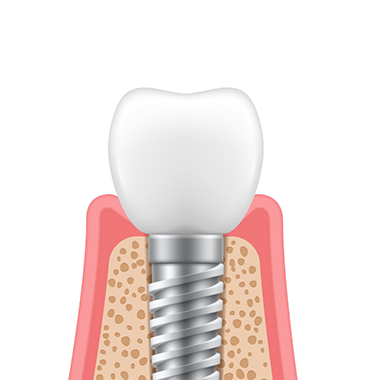
Once you are fully healed from your implant placement, you will return to our office to receive your customized dental restoration. The versatility of dental implants makes it possible to treat all types of tooth loss. Whether you are receiving a dental crown, bridge, or denture, we can ensure your new teeth will look and feel completely natural. After examining your bite and making sure everything is functioning correctly, you will be free to leave and start enjoying your new smile.
Who Dental Implants Can Help

There are plenty of people who could potentially benefit from getting dental implants placed. In fact, most adults with healthy mouths and missing teeth are considered candidates for the procedure! Of course, we need to take your specific situation into account before we make any recommendations for replacing your teeth. If you set up a consultation with us, we can discuss whether dental implants are a good fit for you.
Who Is a Good Candidate for Dental Implants?

You may be able to get dental implants if you fulfill these criteria:
You do not have health concerns that would stop you from having dental implant surgery performed.
- You do not have uncontrolled diabetes or recent organ transplants.
- You have a jawbone anatomy that is capable of successfully bonding with and supporting dental implants.
- Note that with the right preliminary treatments, you may be able to get dental implants even if you don’t currently meet the requirements. For example, if your jaw currently lacks bone density, bone grafting might be performed.
- Once your candidacy for dental implants has been confirmed, we can start talking about how many posts you’ll need and what kind of restoration they’ll support.
Missing One Tooth
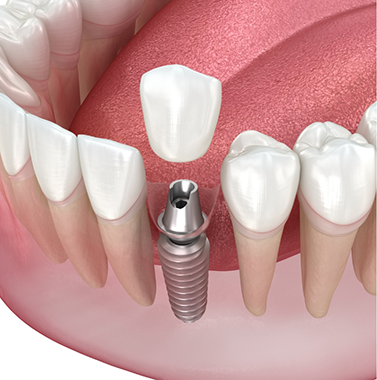
A single dental implant can replace a knocked-out or extracted tooth anywhere in the mouth. The implant post will be given time to form a powerful bond with the jawbone; once it does, it will be ready to support a customized dental crown.
Many different materials can be used to make crowns, but when it comes to dental implants, we prefer to use materials that can match the appearance of your tooth enamel. That way, your dental implant won’t just feel like a natural tooth; it will look like one too.
Missing Multiple Teeth
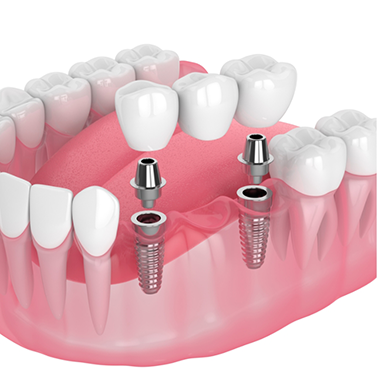
Will you need to get a dental implant for every tooth that you’ve lost? Not necessarily! We will always look for a way to restore your smile while minimizing the number of dental implant posts needed.
For instance, let’s say that you have lost at least three teeth in a row. All we need to fill the gap are two implant posts and a dental bridge. Once the dental implant posts are inserted into your jaw, the bridge can be anchored to them to replace all of your missing teeth at once.
Missing All Teeth
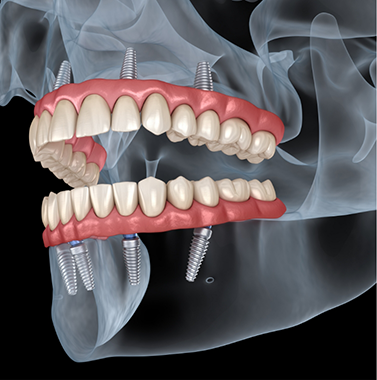
If you’ve long been bothered by dentures that just don’t seem to stay in place, you might find yourself wondering whether you can have them attached to dental implants. In many cases, the answer is yes! Oftentimes, 4 to 6 implant posts are enough to support a full denture while giving it biting and chewing power that’s almost on par with your natural teeth. Implant dentures can either be fixed or removable; we can discuss which option might be best for your smile during your initial consultation.
Learn More About Implant Dentures
Understanding the Cost of Dental Implants

There is no easy answer to how much you can expect to pay for your new smile without first having a consultation with one of our dentists. The price is based on your individual treatment plan. There are various factors that influence the cost, such as how many teeth are being replaced, if any additional procedures are needed, and your dental coverage.
Often, your dental insurance will not cover the entire cost of the procedure. Depending on your specific policy, it may pay for certain aspects of it until you reach your annual limit. To cover any remaining balance, we accept a variety of payment options, including CareCredit.
Types of Dental Implants
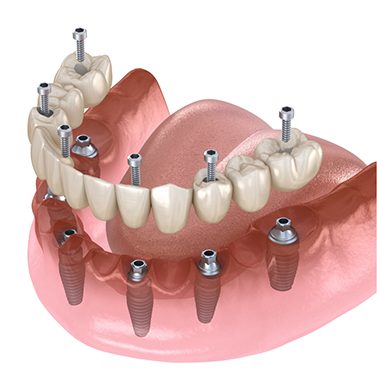
One of the main contributing factors to the cost of your dental implants is the number of teeth that you’re missing. Implants can be used to replace one tooth, multiple teeth, or a whole row of your smile, with the cost greatly varying depending on the type of restoration that you need.
- Single tooth: We will use an implant-retained dental crown to replace a single missing tooth.
- Multiple teeth: If you’re missing multiple teeth consecutively, we can use an implant-retained dental bridge to fill the gap in your smile.
- All teeth: To replace all of your teeth at once, we can use an implant denture as a secure and stable solution.
What Are the Stages of Dental Implant Treatment?
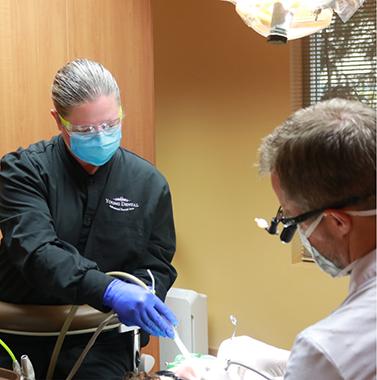
First, you’ll visit our office for a consultation, where your dentist will examine the condition of your oral health, strength of your jawbone, and how many teeth you’re missing. Those with weaker jawbones may need bone grafts, and gum disease must be treated before surgery.
Next, you’ll come back into our office for implant surgery. We will ensure that you’re relaxed and numb before making small incisions in your gums to access your jawbone. Then, we’ll drill small holes into your jawbone for the placement of your implants. After allowing three to six months for your implants to fuse to your jawbone, you’ll come back into our office, where we will place your custom-made restoration.
Are Dental Implants Worth the Investment?

Many people see prices of dental implants online and wonder whether or not they’re worth the investment. While they do tend to have a higher cost than other replacements, dental implants can last a lifetime with proper care—much longer than any other solution. Additionally, dental implants have health benefits that you simply can’t get anywhere else. They are the only tooth replacement that stimulates your jawbone to prevent it from deteriorating after tooth loss.
Does My Dental Insurance Cover Dental Implants?

Fortunately, most good dental insurance plans will cover a percentage of dental implants. Our friendly and experienced team will file your insurance claims and work with your plan to give you quality dentistry that is also affordable. We also have financing options for those without insurance to allow everyone an opportunity to receive this life-changing tooth replacement solution.
Maintaining & Caring for Your Dental Implants

Because dental implants essentially become a part of your body through osseointegration, they can last several times longer than conventional bridges or dentures. In fact, your new teeth could last for 30 years or even a lifetime! However, this only happens if you practice proper dental implant care. Luckily, dental implants are surprisingly easy to maintain. Just follow these five simple steps.
Prioritize Oral Hygiene
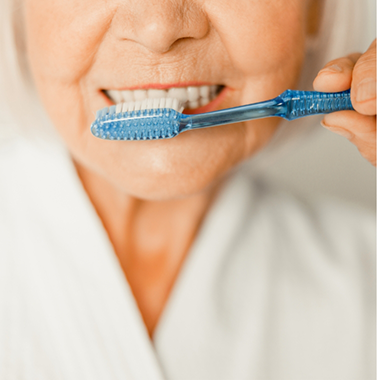
Yes, dental implants are cavity-proof, but that doesn’t mean oral hygiene isn’t still important. In fact, it might be more important than ever. Poor oral hygiene often causes gum disease, which is the most common reason for dental implant failure.
To make sure your implants and the gum tissue that supports them stay healthy, you’ll need to keep your mouth clean. Brush your teeth (real and artificial) every morning and every night. You should also floss daily and rinse with a therapeutic mouthwash regularly.
Eat a Nutritious Diet

Dental implants let you chew basically anything you want, so feel free to eat a varied, nutritious diet. However, foods that are overly hard or sticky can prove problematic for your implants; they could damage or loosen your restoration. Eat these foods sparingly.
We also recommend incorporating plenty of calcium-rich dairy products and leafy greens into your diet to promote a strong jawbone and healthy gums, respectively. This will give your dental implants in Bellingham the reliable foundation they need to last a lifetime.
Quit Harmful Habits

Certain habits can spell disaster for your implants. Smoking is perhaps the worst of these habits. Whether you smoke, vape, or chew it, tobacco slows down the body’s healing process. It may prevent osseointegration from occurring, causing your body to reject the implants. Tobacco users are also more than twice as likely as nonsmokers to develop gum disease. For this reason, we strongly suggest that you quit using tobacco for at least two weeks before (and ideally after) dental implant surgery.
Chewing on hard, inedible objects is another habit that can wreak havoc on your implants. Whenever you feel the urge to bite your fingernails or chew on ice, pens, or pencils, try popping a piece of sugar-free gum in your mouth instead to avoid damage to your pearly whites.
Safeguard Your Smile
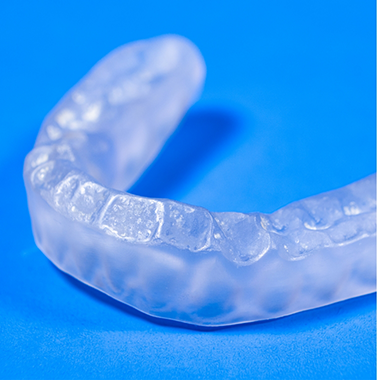
As strong as dental implants are, they’re not indestructible. If you play sports, you’ll want to shield them from injury by wearing a mouthguard. Your implant dentist can design a custom appliance that comfortably fits over your teeth to protect them from impact.
Similarly, you should wear a nightguard if you tend to grind your teeth while you sleep. Chronic teeth grinding can weaken and wear down your implants, leaving them more vulnerable to damage.
Attend Routine Dental Checkups
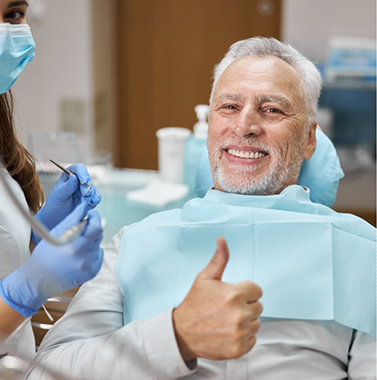
Even if you don’t have any natural teeth left, dental checkups and cleanings are still crucial. They give our team the chance to monitor the well-being of your dental implants and address any signs of trouble right away. By treating small problems before they have the chance to worsen, you can save a great deal of time and money in the long run.
Dental Implant Failure & Salvage

Thanks to their unique surgical placement in the jawbone, dental implants have an incredible success rate of over 95 percent! However, failure can still happen on rare occasions, so it’s important to be on the lookout for signs. If your dental implant feels loose or uncomfortable, or if you have another concern about it, don’t hesitate to give us a call. We’d be happy to take a look and may even be able to save a failing implant with dental implant salvage treatment!
Learn More About Dental Implant Failure & Salvage
Dental Implant Post-Op Instructions

Once your dental implants are placed, you’ll begin the recovery process! To give you peace of mind and help you understand what comes next, we’ve included some important dental implant post-op instructions below. Read on to learn about what to expect, the common symptoms you may experience, and how you can give yourself a smooth recovery.
Dental
Implant
FAQs
What Is the Risk of Dental Implant Failure?
Dental implants have a 95% or higher success rate for most patients. Your risk for implant failure may increase due to age, poor health, inadequate oral hygiene, certain medications, and other factors. Before we begin your implant tooth replacement plan, we will carefully review your current level of oral health, overall health history, and past surgical experiences to help ensure successful implant placement. We will also carefully explain the warning signs of implant failure after your surgical placement procedure. Increasing patient awareness of these implant failure symptoms makes it possible for us to intervene and save implants before they fail.
Is Getting a Dental Implant Painful?
Receiving dental implants in Bellingham involves a type of minor oral surgery, so you can expect to deal with some degree of swelling or soreness for a few days following your procedure. During the implant placement, though, most patients report little to no discomfort. In fact, many prefer the implant placement to the tooth extraction. The reason for this is that we administer plenty of local anesthesia before beginning the procedure. We can even utilize sedation dentistry for our more anxious patients.
While your mouth may be sore for a few days afterward, this is nothing that can’t be managed by taking the pain medication we prescribe you as directed. You could also apply a cold compress to your face in ten-minute intervals for up to an hour to reduce both pain and swelling.
I Smoke. Can I Still Get Dental Implants?
Yes, but the procedure comes with certain risks. Whether you smoke or chew it, tobacco use severely impairs the mouth’s ability to heal, which is crucial in the success of your implants. For implants to be successful, your jawbone must grow around the implant posts over a period of several months. If this process is disrupted or slowed, your body may reject the implant, meaning the whole placement procedure was all for nothing. We recommend quitting smoking for at least two weeks prior to implant placement. You can always ask your dentist in Bellingham for resources to help you kick the habit.
Can I Get Dental Implants If I Have Diabetes?
Yes, but like with smoking, there are risks involved, particularly if your diabetes isn’t well-managed. Uncontrolled diabetes hinders your ability to heal, which may result in implant failure. If you’re having trouble getting your blood sugar levels under control, talk to your endocrinologist or primary care doctor about ways to manage your condition before getting dental implants.
Do I Need to Take Time Off from Work to Get Dental Implants?
The answer to this question varies on a person-by-person basis. For example, if you’re only receiving one implant and undergoing nitrous oxide sedation, then you might be able to resume your day as normal afterward. On the other hand, if you’re having several implants placed and receiving a more advanced form of sedation, we highly recommend taking it easy for the rest of the day. Depending on your case, we may suggest taking the following two or three days to recover.