
Preventive Dentistry Bellingham
How We Keep You & Your Family Smiling

Your family’s dental health is our priority, which is why we strongly encourage preventive measures to avoid big problems later on down the road. Our proactive approach (bolstered by our experience and technology) means fewer cavities, fewer procedures, and fewer dollars spent on dentistry over the years. Preventive dentistry is a win-win for your health and confidence, and it all starts by scheduling a routine checkup and cleaning at Young Dental in Bellingham today.
Why Choose Young Dental for Preventive Dentistry?
- Technology That Puts Patient Comfort First
- Experience Treating Children of All Ages
- 150+ 5-Star Reviews on Google
New Patient Exam

During your first visit, you will start to meet the members of our team. Either Dr. John Young or Dr. Lindsey Montileaux will come in to meet you and review your case before looking at your mouth and customizing a long-term plan for success. Depending on how long it has been since your last hygiene treatment, you may need to divide the cleaning up into two or more visits.
After you have been a patient at Young Dental for a couple of years, we will have a better idea of how to best serve you. We will know how your gums respond to hygiene treatments. We will know more about your cavity rate. We will know more about your parafunctional habits, such as jaw clenching or teeth grinding. We may opt to take X-rays at a longer interval period. We will customize an oral health care plan suited to you.
Dental Checkups and Cleanings

You should see the dentist at least twice a year to make sure your teeth and gums are healthy. During these appointments, Dr. Young or Dr. Montileaux will examine your mouth for signs of cavities and gum disease. They’ll also perform a thorough cleaning to get rid of any plaque they find, as well as tartar that can’t be removed through regular brushing and flossing. This way, you can have oral problems treated as early as possible – and in some cases before they’ve even had a chance to start!
Learn More About Checkups and Cleanings
Nightguards for Bruxism

Patients who struggle with unconscious teeth grinding and clenching, bruxism, may think their only hope is to find a way to stop the habit, but unfortunately, most patients only experience bruxism while they’re asleep and unable to control their movements. For these patients, a simple, custom oral appliance may offer an effective solution. Patients will simply snap the small appliance into place onto the teeth. This places a physical barrier between the rows of teeth, preventing wear or damage that can occur when bruxism is left untreated.
Oral Cancer Screenings

Many people assume oral cancer only affects smokers or tobacco users, but that's not the case. In fact, research shows that 25% or more of patients diagnosed with oral cancer never had a history of any of the high-risk behaviors typically associated with the disease. That's why our Bellingham team performs a thorough oral cancer screening during every six-month checkup. We know that when caught in the earliest stages, oral cancer is often treatable, allowing patients to make a full recovery.
Signs and Symptoms of Oral Cancer
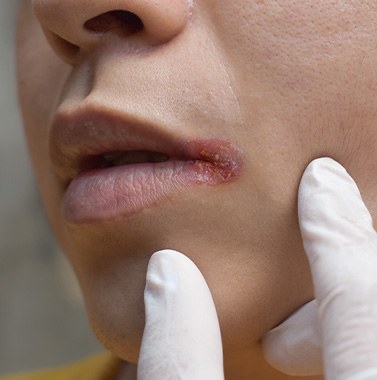
Oral cancer can be easy to miss in its early stages, which is part of what makes it so dangerous. Common warning signs include:
- Mouth sores that don't seem to heal
- Unexplained lumps or thickened tissue
- Red or white patches inside your mouth
- Chronic sore throat or hoarseness
- Difficulty chewing, swallowing, or moving your jaw or tongue
Because these symptoms can be subtle or mistaken for something else, screenings are still one of the most reliable ways to catch the condition early—when it's most treatable.
What Does a Dentist Look for During an Oral Cancer Screening?
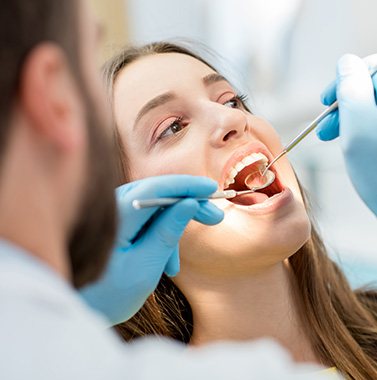
During an oral cancer screening, our team performs a careful visual and physical examination of your entire mouth, looking for signs of abnormal tissues. This includes checking your lips, cheeks, gums, tongue, floor and roof of your mouth, as well as the back of your throat. Specifically, we're looking for unusual color changes, lumps, lesions, or red or white patches that don't belong.
We'll also gently feel the tissues in your mouth, jaw, and neck to check for any unusual lumps, swelling, or tenderness that could indicate cancerous growth. Our team will take notes on the size, texture, and location of anything unusual, documenting anything that might need to be checked by your doctor. Working together, we can ensure the best possible outcome for your health going forward.
What Can I Expect During My Screening?
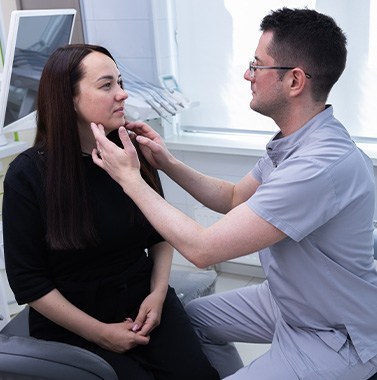
An oral cancer screening is quick, painless, and typically fits right into your regular checkup and cleaning, so you won't need to schedule a separate appointment. During the exam, our team will visually inspect your mouth, lips, and throat, then gently feel around your jaw, neck, and the soft tissues inside your mouth for anything unusual.
The entire process takes just a few minutes and doesn't require any special preparation on your part. If anything unusual is found, we'll discuss it with you right away and decide next steps, which may include further testing or a referral to a specialist for a closer look.
Most screenings, however, simply confirm that everything looks healthy, giving you peace of mind alongside your regular preventive care. Routine screenings, combined with paying attention to changes in your own mouth between visits, offer the best protection against this silent, sometimes deadly disease.
Fluoride Treatment

Did you know that enamel is the hardest substance the human body makes? It’s even more dense than bone, but that doesn’t mean it's invincible. Daily biting and chewing or exposure to overly acidic or sugary foods can wear it down or weaken it, which increases the risk of developing dental damage, decay, or disease.
Our team can help strengthen the protective outer layer of your teeth with topical fluoride treatments. Continue reading to learn more about this standard preventive service, how it works, and who it can help!
What is Fluoride?
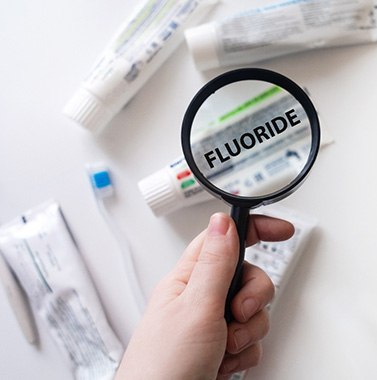
Fluoride isn’t a man-made substance; it’s a naturally occurring mineral found in different water sources, like rain, creeks, and lakes, and therefore also in soil and growing vegetation. It’s also frequently included in dental products, like toothpaste and mouthwash, and most counties include it in sources of public drinking water.
In large doses, it can potentially cause dental mottling (splotches or discoloration, stomachaches, or indigestion, leading some people to question whether it's dangerous. However, dental products and drinking water contain only a small, safe amount to protect enamel and prevent oral issues.
How Does Fluoride Treatment Work?
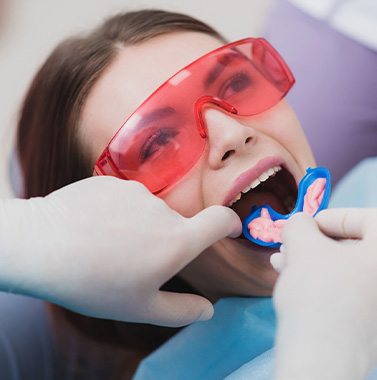
This service typically involves applying fluoride gel, varnish, or foam directly to your teeth or into applicator trays that fit over your arches. It remains in place for a brief period, and once it’s removed, we might recommend waiting 30 to 60 minutes to eat or drink anything to give the active ingredients enough time to take full effect.
Topical fluoride works by pulling essential nutrients that make up the dense protective outer layer of your teeth, such as calcium and phosphate, from your saliva and incorporating them into your enamel. This strengthens your teeth to help avoid cavities, chips, cracks, and other concerns.
Who Benefits from Fluoride Treatment?
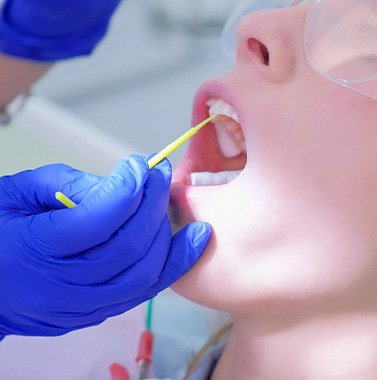
Dentists often include fluoride treatment after routine exams and cleanings as a final step before sending patients home with a clean bill of health. This option may be more frequently recommended for children than adults because kids may have a harder time brushing and flossing consistently, which can affect their enamel.
But this can also be offered as a standalone service to people of all ages, and might be particularly helpful to those who have mobility challenges that make it difficult to maintain their dental health, have medical conditions, like diabetes, that increase the risk of different dental problems, or have sensitivity caused by thinning enamel.
Family Dentistry

When raising a family, your life is busy. You do not have the time to visit various dental offices to have everyone in your home’s oral health needs met. This makes it all too easy to overlook an important office visit. At Young Dental, we make it convenient for your family to maintain their dental appointments. We treat patients of all ages from one location to nurture generations of healthy, beautiful smiles. We provide the comprehensive care your loved ones depend on through all stages of life, whether you're visiting our dental office from Bellingham or a nearby area like Birchwood, Lynden, Geneva, or Ferndale.