
Dental Bridges Bellingham
A Simple and Effective Solution for Missing Teeth

Dental bridges are a high-quality solution that can seamlessly and effectively close the gaps in your smile. At Young Dental, we use cutting-edge technology to create custom restorations that’ll simultaneously restore your oral health and improve your appearance. To learn more about dental bridges in Bellingham, continue reading or give our friendly team a call today.
Why Choose Young Dental for Dental Bridges?
- Traditional & Implant Bridges Available
- Restorations Designed Using Latest Technology
- Dental Patient Comfort Always Comes First
What Is a Dental Bridge?
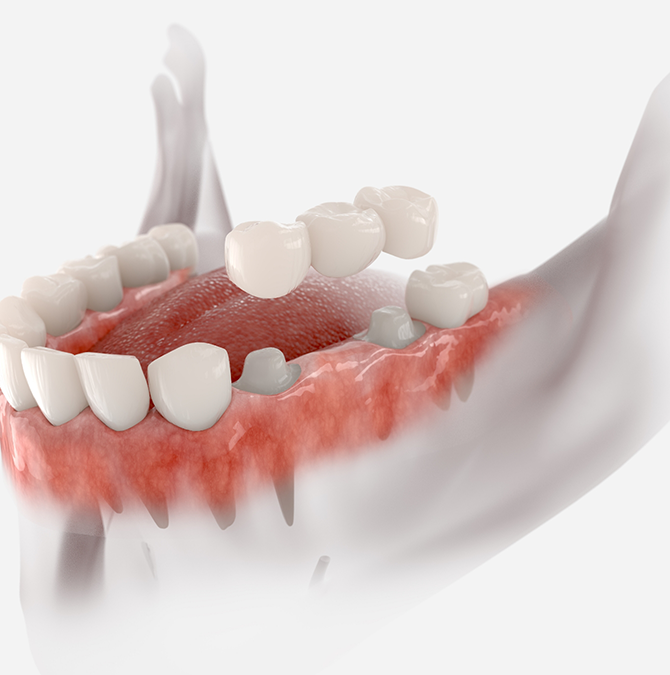
A bridge is like two or more dental crowns splinted together with a hanging tooth in the middle. It is one of the many possible solutions for missing teeth. Bridges can redistribute the chewing forces that are unbalanced when teeth are missing. If cared for properly, meaning regular checkups and cleanings with periodic X-rays, bridges can last a couple of decades or more. We use the finest methods and materials to ensure you receive a durable restoration.
Types of Dental Bridges

During your consultation, our team at Young Dental will conduct an oral examination to determine which type of dental bridge is right for you. We’ll review your medical history and inquire about your goals to find the best option for your needs. Based on our discussion, we’ll recommend one of the following:
Traditional Dental Bridge
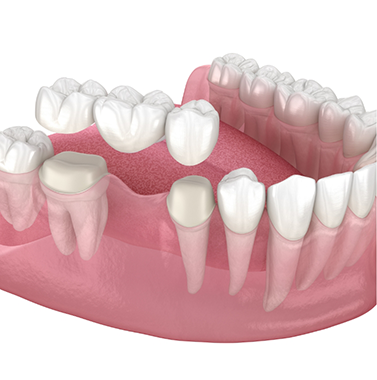
If you need to replace one or more missing teeth, we can use a traditional dental bridge. It’s anchored to your mouth with two dental crowns and will require the alteration of your natural enamel. This is the most commonly placed type of dental bridge.
Implant Bridge
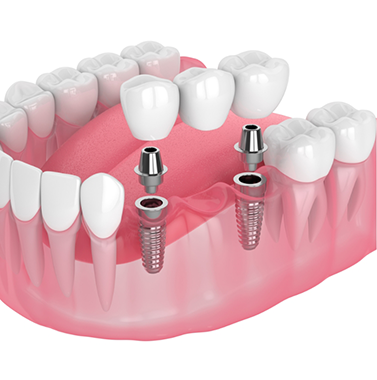
Patients who want a more durable method of tooth replacement can opt for an implant bridge. It’s secured to your mouth with two dental implants instead of dental crowns. The implant posts are placed on either side of the missing gap in your smile. Once they fuse with the jawbone, we’ll attach a custom dental bridge to seamlessly complete your smile. Unlike traditional bridges, this option requires no alteration of your existing teeth.
The Benefits of Dental Bridges

Some benefits of dental bridges in Bellingham include:
- Covering the gums that are exposed between teeth
- Keeping teeth upright (as teeth tend to shift after a neighboring tooth is removed)
- Preventing bone loss as trauma to stand-alone teeth can lead to recession and bone loss
- Ability to chew with ease and speak clearly
- Long-lasting and natural-looking results
Dental
Bridge
FAQs
Can you take a dental bridge out?
No, dental bridges are designed to remain firmly in place. They are not removable. Only a skilled and licensed dental professional can remove these restorations because they require specialized instruments. While a dental bridge may not be “permanent,” it should last more than a decade as long as you remain committed to taking proper care of it.
There is the option to pursue a removable restoration, but instead of it being a bridge, it would actually be a partial denture.
Is getting a dental bridge painful?
Anytime you must undergo restorative dental care, you can expect that our team will provide the appropriate means of comfort. We’ll administer local anesthesia to keep you from feeling any discomfort throughout the placement process. If you require sedation, we may be able to work that out with you ahead of time.
When preparing your teeth and placing the bridge, your mouth will be numb so that you will feel no pain. However, it is common to feel some soreness and tenderness once the anesthetic wears off. You can remedy this issue, however, by using over-the-counter pain relievers.
How many teeth can a dental bridge replace?
Your dentist in Bellingham will likely recommend a fixed dental bridge if you are missing at least one tooth, but usually no more than four. The reason is that the longer a bridge is, the less stable and durable it becomes. In these instances, we’ll likely recommend a partial denture.
It’s necessary that the bridge remain stable so that you can eat and speak properly. If it is too long and cannot provide the necessary support, it will become difficult if not impossible to perform normal daily tasks.
Can dental bridges get cavities?
Dental bridges are made of porcelain and/or ceramic, so the restoration itself cannot decay. But the teeth that rest underneath these bridges certainly can. If bacteria or harmful particles are allowed to seep under the bridge, they can attack the remaining tooth structure, causing cavities to form and additional restorative care to be required.
This is why our dental team will continually stress the importance of good oral hygiene habits at home. Brushing, flossing, and rinsing regularly limit the amount of bad bacteria, keeping your mouth clear and clean of anything that might try to negatively impact your underlying tooth structures.