
Root Canal Treatment Bellingham
Fast Relief for Hurt, Aching Teeth

There’s nothing worse than being stuck at home with a debilitating toothache, but fortunately, it’s not something that you need to endure! Here at Young Dental, we can use root canal treatment in Bellingham to save seriously infected teeth and quickly relieve any pain. Our team utilizes the latest techniques and sedation practices to ensure that you’re comfortable throughout the entire process, and before you know it, you’ll feel as right as rain! If you’re in pain, don’t hesitate to give us a call so that we can help.
Why Choose Young Dental for Root Canal Treatment?
- Dental Team Dedicated to Patient Comfort
- Plenty of Sedation Dentistry Options
- On-Staff Anesthesiologist for Nervous Patients
Do I Need Root Canal Treatment?

Not every toothache needs to be treated with root canal therapy; the tooth-saving procedure is usually reserved for teeth that are so severely damaged or decayed that other means of treatment, like fillings or crowns, won’t do the trick. Some common signs that you may need a root canal include:
- Severe, throbbing dental pain
- Tooth sensitivity to extremely hot or cold temperatures
- Pain when biting down
- Swollen, red, or tender gum tissue
- A pimple-like bump on the gums near the painful tooth
In any case, you should call us immediately if you’re experiencing any of these symptoms; we’ll work to schedule you an appointment so that you’re able to receive the relief you need as soon as possible!
The Root Canal Process
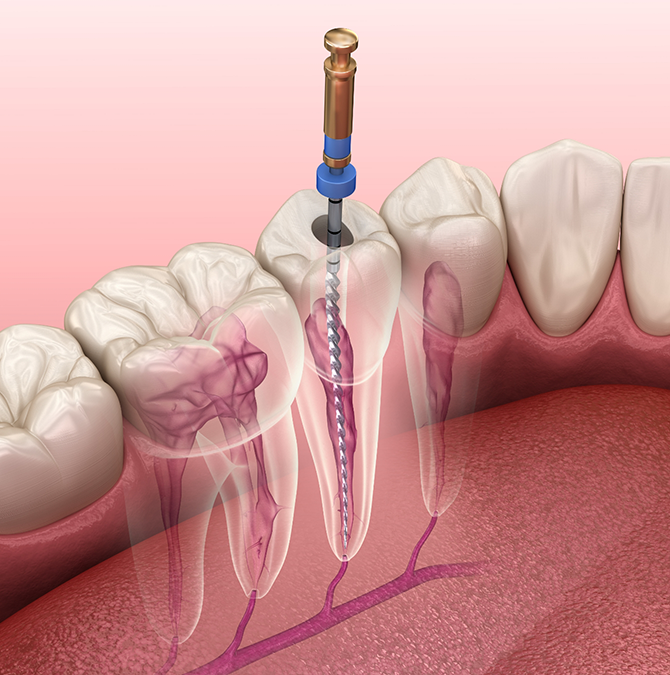
The root canal process is not complicated and is primarily focused on alleviating discomfort while saving as much healthy tooth structure as possible. One of the first things we’ll do once you arrive is administer a local anesthetic to ensure that your mouth is completely numb. We also offer a wide variety of sedation options so that you don’t feel an ounce of anxiety or stress during your visit!
Once you’re settled in, a small hole is made in your enamel so that the infected tissue can be removed from inside your tooth. The tooth is then cleaned and sanitized to make sure it’s entirely free of bacteria before being filled back up with a biocompatible material. In most cases, the tooth is topped off with a brand-new crown for additional comfort and protection. For many patients, the entire process feels very similar to receiving a dental filling, and you might experience some slight sensitivity for a few days afterward.
The Benefits of Getting a Root Canal

Despite what you’ve maybe heard about root canals, they actually aren’t incredibly painful or scary at all! Not to mention, the procedure comes with several benefits you can immediately begin enjoying:
- Fast and effective pain relief – Our first and foremost priority is providing you with the pain relief you need so that you can resume daily life without tooth pain.
- Salvages your natural tooth – Root canal therapy arguably gives your tooth the best chance to remain inside of your mouth; tooth extractions can be both costly and time-consuming.
- Protects your overall oral health – Toothaches aren’t just painful; they also pose a threat to the rest of your oral health if left untreated. Root canal therapy promotes optimal oral health moving forward!
- Provides beautiful & durable results – Following root canal therapy, a custom-made crown is attached to the tooth to seal it back up and protect it for many years to come.
Understanding the Cost of Root Canals

Typically, when we see patients for a root canal, they have plenty of things on their minds. However, the thing that stresses people out most is the finances of the situation. When you get root canal treatment from us, you’ll find that we’ve made every part of the procedure painless, including payment.
We’ll give you a complete estimate for what the treatment will cost once all of the preliminary exams are completed, and before that, here’s some information that may help you budget for the procedure.
Factors That Can Affect Root Canal Cost
Until we meet you and take a look at your tooth, it’s not really possible to give you an accurate estimate for what your root canal treatment is going to cost. This is because there’s a wide variety of variables that affect the overall price of the procedure.
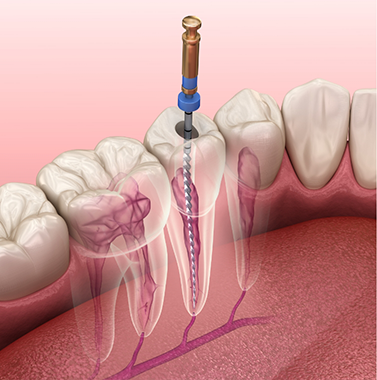
For one, the type of tooth being treated can affect the procedure’s complexity. Molars have three tooth roots, while incisors only have one. Some treatments are also more complex than others due to the severity of the infection that brought you to our office in the first place. The more complex the treatment, the more it’s likely to cost.
Then there are the expenditures beyond the treatment itself, like the dental crown or the necessary anesthetics, that need to be budgeted for. We’ll walk you through the cost of every element of the procedure as it becomes relevant.
Is It Cheaper to Pull My Tooth?
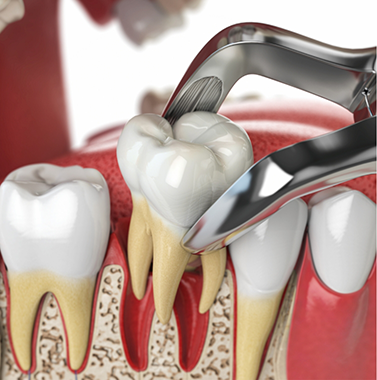
In the short term, a tooth extraction may cost less than a root canal. However, that’s rarely the case when the whole of the expenses are considered.
You’d be hard-pressed to find a dentist who would recommend simply leaving the area where the tooth was extracted empty. If you do, the surrounding teeth will likely begin to move out of place, causing serious misalignment and overall worse oral health outcomes.
For that reason, it’s crucially important that you use dentures, a dental bridge, or a dental implant to replace the tooth that has been lost. While extracting the tooth is cheaper than root canal treatment, the whole process of removing and replacing it is substantially more expensive.
Does Dental Insurance Cover Root Canals?

Root canal treatment is often one of the only ways to deal with a tooth that has been severely damaged. As a result, root canal treatment is often at least partially covered by dental plans, with them usually paying for anywhere from 50 to 80% of the treatment. That said, this isn’t necessarily a given, which is why it’s important to talk with your dental plan beforehand to ensure that you’re going to get the full coverage that you need.
Other Options for Making Root Canal Therapy Affordable

Even if you don’t have insurance, there are ways that you can make the treatment you get from us more affordable. We accept CareCredit, which is a health financing firm that functions sort of like a healthcare credit card. You can use this to pay for care upfront, then split the care into monthly installments. CareCredit offers six-month financing without any interest, making it an excellent way to afford the care that you need.
If you’re in pain and need help immediately, don’t hesitate. Give us a call, and we’ll help you settle the finances once you’re feeling better.
Root
Canal
FAQs
How Long Does a Root Canal Take?
It may surprise you to know that root canal treatment can typically be completed in a single appointment to complete. While the length of the procedure may be anywhere from 30 to 90+ minutes, the exact amount of time will depend on several factors. Firstly, the location of your tooth can impact how long it’ll take your dentist to treat it, as those in the back of your mouth are slightly harder to reach. Molars also have more roots than your front teeth, meaning they’ll need more root canals to remove the infected areas. Your dentist will be sure to walk you through your situation and provide you with a more precise estimate of your treatment timeframe before beginning your procedure.
How Much Pain Is Normal After a Root Canal?
Our dental team will make sure to completely numb your mouth before beginning your surgery, so you shouldn’t feel any pain or discomfort during the root canal itself. We can even offer you sedation dentistry, which will keep you more relaxed throughout your appointment, providing a more enjoyable experience. That said, you might feel some mild soreness and sensitivity for a few days after your treatment. The good news is that you can easily manage these sensations with over-the-counter or prescribed pain medications as directed. Keep away from chewing on that side of your mouth. If you experience any discomfort that lasts longer than three days, call us right away for help.
What Should I Do Before a Root Canal?
You’ll likely want to eat a healthy meal and avoid any alcohol and tobacco before your appointment. These products can disrupt the effects of the numbing agents, interfering with the safety and success of your treatment. Your dentist may recommend taking an over-the-counter pain reliever before coming into the office, as this can reduce any soreness when the anesthetic wears off. Be sure to rest well before and after your procedure, which can help your recovery process significantly.
Can I Take Antibiotics Instead of Getting a Root Canal?
Antibiotics may be effective at treating bacterial infections in most parts of your body, but it doesn’t work the same way with your smile. For the medicine to work, it must travel through your bloodstream to address infected areas of your body. However, your blood does not reach the pulp within your tooth. This means antibiotics won’t be effective at eliminating an infection there, and the only way to remove it will be via root canal therapy.