The sooner we begin to repair your smile, the more likely we’ll be able to provide conservative solutions that fully restore your oral health. On the phone, we’ll help you assess your condition to determine how quickly you need to visit our office. In most cases, we’re able to see patients on the day they call, but serious emergencies like knocked-out teeth will be prioritized.
If you’re not sure that your situation requires urgent intervention, we still recommend you contact our team. Many types of dental emergencies can occur, some of which are more common (or urgent) than others. We recommend the following tips depending on the type of dental emergency you’re experiencing.
Toothaches
Toothaches
Is My Toothache a Dental Emergency? While tooth pain is sometimes caused by food debris stuck in your smile, most of the time it’s a side effect of an issue related to tooth decay. A toothache should be treated like an emergency if it doesn’t go away after 24 hours or reaches severe levels. Other indications that a toothache needs urgent care include:
-
A sharp pain while biting down
-
A bump known as an abscess forms on the gums near the affected tooth
-
A tooth that’s darker than normal
-
Swelling, fever, fatigue, and other signs of infection
-
Tooth sensitivity that lasts more than 30 seconds at a time
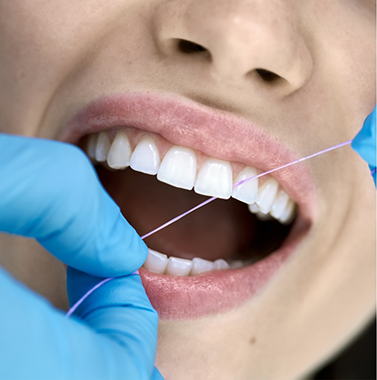
How You Should Handle a Toothache: You can floss and rinse with salt water to rule out the possibility of something being stuck between your teeth. You can then manage your tooth pain with store-bought painkillers and by rinsing with salt water. If there’s swelling, you can bring it down with a cold compress; this also numbs the area and further reduces your pain.
How We Treat Toothaches: We’ll take X-rays of your tooth to try to determine the underlying problem. Then we’ll figure out which form of treatment you need, whether it’s a filling, a dental crown, root canal therapy, or even an extraction. The goal is to stop your pain while ensuring that you still have a healthy, functional smile afterwards.
Learn More About Dental Crowns
Learn More About Root Canal Therapy
Learn More About Tooth Extractions
Chipped
Tooth
Chipped Teeth
Is a Chipped Tooth a Dental Emergency?: While cracked teeth should always be treated as an emergency, a chipped tooth can wait a few days for treatment. Don’t put off your appointment for too long, though, as even minor damage can lead to further injury and could still leave you at risk for an infection.
How You Should Handle a Chipped Tooth: If you still have the pieces of the tooth that were broken off, bring them with you to your emergency appointment. Rinse with water to clean away harmful bacteria and any leftover shards of the tooth. Even if the damage doesn’t seem serious, you should avoid chewing with the affected tooth until it has been examined and treated.
How We Treat Chipped Teeth: We’ll take a look at the damage to see how severe it is. Most of the time, all that’s needed is a small amount of composite resin, which is the same material used for fillings. We can use it to fill in the chipped areas on your teeth to restore their strength and appearance. More visible teeth might require dental veneers instead.
Learn More About Veneers
Cracked
Tooth
Cracked Tooth
Is a Cracked Tooth a Dental Emergency?: All cracks in your teeth should be taken seriously, even if they’re very small. The slightest opening can invite bacteria into your teeth to attack the pulp, leading to infection. A crack should therefore always be treated as a potential emergency until we know just how far the damage extends.
How You Should Handle a Cracked Tooth: To stop bacteria from slipping through the cracks of your tooth, rinse your mouth thoroughly with water. Then use a cold compress to reduce swelling or discomfort around the affected tooth. If you need to eat something before your appointment, chew with the other side of your mouth.
How We Treat Cracked Teeth: We’ll check to see how extensive the damage is and whether the tooth has already been infected. When possible, we’ll repair the tooth with a filling or a dental crown. Some teeth are too damaged to save, however, and need to be removed altogether; we can discuss the best options for tooth replacement before performing the extraction.
Learn More About Dental Crowns
Learn More About Root Canal Treatment
Learn More About Tooth Extractions
Learn More About Dental Implants
Sensitivity to
Hot & Cold
Very Sensitive Teeth
Are very sensitive teeth a dental emergency? Very sensitive teeth can be a difficult thing to live with, which is why you do not need to wait to seek emergency help. Go ahead and call our office to schedule an appointment as soon as you can.
How you should handle very sensitive teeth: Eating anything cold, hot, spicy, sweet, or acidic will only irritate your sensitive teeth. The same can be said for practicing unhealthy habits that apply pressure to the problem area (i.e., eating ice, biting your nails, chewing on inanimate objects). Stay away from these items while waiting for your appointment and consume only lukewarm beverages.
How we treat very sensitive teeth: Sensitive teeth are treated in various ways because there are many reasons this problem can develop. Clenching, worn tooth enamel, cavities, cracked teeth, excessive teeth whitening, an abscess, and even gum recession are all culprits of sensitive teeth.
Depending on the underlying cause of your problem, your emergency dentist in Bellingham will recommend everything from prescription mouthwash and desensitizing toothpaste to fluoride treatments, tooth-colored fillings, root canal therapy, and tooth extraction.
Learn More About Tooth-Colored Fillings
Learn More About Periodontal Treatment
Learn More About Root Canal Treatment
Learn More About Tooth Extractions
Knocked-Out
Tooth
Knocked-Out Tooth
Is my knocked-out tooth a dental emergency? If you’ve lost a tooth as a result of serious facial trauma, you need to get to our office as quickly as possible. A knocked-out tooth is a time-sensitive issue that requires immediate treatment.
How you should handle a knocked-out tooth: If you can locate the tooth, retrieve it and hold it only by the crown. Rinse off any debris before attempting to reinsert it into your vacated socket. This may be unsuccessful, so if it is, fill a container with milk or saliva and insert the tooth to keep the roots moist and alive. Additionally, just keeping the tooth in the mouth under the tongue is a viable alternative.
How we treat knocked-out teeth: Our dental team will work quickly to determine whether it is possible to save your lost tooth in Bellingham. If it is, we’ll use a splint to hold it in place until it reintegrates with the bone tissues. If it cannot be saved, we’ll discuss your options for tooth replacement, which will include dental bridges, dentures, or dental implants.
Learn More About Dental Bridges
Learn More About Dentures
Learn More About Dental Implants
Lost Filling
or Crown
Lost Filling or Crown
Is a lost filling or crown a dental emergency? Although you may want to get in the same day for emergency care, it is okay if you wait a day or two before seeing a professional about your lost filling or dental crown.
How you should handle a lost filling or crown: Because these restorations are not meant to last forever, it is natural that they will need to be replaced at some point. Should yours fall out, make sure to rinse your mouth with warm salt water to flush out any bacteria and debris. If you feel confident in your abilities, use dental cement to try to temporarily re-bond it into place.
If you do not feel you can re-bond it successfully, simply avoid chewing on that side of your mouth and stay away from hard, crunchy foods.
How we treat a lost filling or crown: Treating a lost filling or lost dental crown in Bellingham will require us to examine the existing restoration to determine if it’s still in good shape. If so, we’ll re-bond it with dental cement. If it is damaged or cannot be found, we’ll need to apply a new tooth-colored filling or dental crown.
Learn More About Tooth-Colored Fillings
Learn More About Dental Crowns
Broken
Denture
Broken Dentures
Is my broken denture a dental emergency? It can certainly be upsetting to learn you have a broken denture in Bellingham. Prosthetics are an investment, so when damage occurs, you may feel a bit defeated. If this happens to you, don’t wait to seek help. Go ahead and call our office for an appointment.
How you should handle a broken denture: Don’t attempt to wear your broken denture during this time. You could damage your existing teeth and/or gum tissues in the process.
How we treat broken dentures: Broken dentures can be treated in a few different ways. If the break is small and does not compromise the functionality of the denture, composite resin can be used to easily conceal the damage. However, if the crack is large, rendering the prosthetic ineffective, we’ll need to either have a new denture created or discuss the option of switching to dental implants for a more permanent fit.
Learn More About Dentures
Learn More About Dental Implants
Loose
Tooth
Loose Permanent Tooth
Is a loose permanent tooth a dental emergency? Children are the only individuals who should experience loose teeth. Adults whose permanent teeth are fully erupted should never experience this situation, so if you do, make sure to get to our office as quickly as you can.
How you should handle loose permanent teeth: You may be tempted to poke or prod at your tooth, but do not do this, as you could cause it to accidentally fall out. Instead, try to avoid chewing on that side of your mouth or eating anything that will cause unwanted pressure throughout your mouth.
How we treat loose permanent teeth: Once you arrive at our office, we will work quickly to determine the best way to treat your loose tooth in Bellingham. This might include periodontal therapy if gum disease is present and weakening the jawbone. If this is the case, we may also recommend a bone graft to help strengthen the bone and keep your tooth firmly in place.
If the tooth is damaged by facial trauma and cannot be saved, we will need to extract it and discuss ways to replace it. This can be accomplished with a dental bridge, denture, or dental implants.
Learn More About Dental Bridges
Learn More About Dental Implants
Learn More About Periodontal Treatment
Learn More About Tooth Extractions
Gums, Lips or
Tongue Injury
Injury to the Gums, Lips, or Tongue
Is an injury to the gums, lips, or tongue a dental emergency? A soft tissue injury can be alarming and cause you to panic, but the reality is that there is a good chance it can be treated successfully at home. While we don’t want to keep you from feeling as if you cannot seek professional help in these cases, you do not need to rush to our office if you bust your lip or bite your tongue.
How you should handle an injury to the gums, lips, or tongue: When dealing with a soft tissue injury, make sure to first rinse your mouth out to flush away any debris before applying clean gauze or a damp washcloth. This will help to stop the bleeding. If the bleeding does not stop after 10 minutes, get to your local ER for help.
You can then place a cold compress over the area to reduce any swelling that may occur.
How we treat injuries to the gums, lips, or tongue: Depending on the cause of your soft tissue injury, we may suggest a customized mouthguard.
Learn More About Mouthguards
Jaw Pain or
Clenching
Jaw Pain
Is jaw pain a dental emergency? Jaw pain can negatively impact your day-to-day life. Eating, speaking, yawning, and even smiling can be painful, which is why it is best to get in as soon as you notice problems developing.
How you should handle jaw pain: If you break or fracture your jaw, do not wait to see us. Instead, head to your local emergency room for immediate medical care. From there, you can get the attention you need before coming to our office for further treatment.
If your jaw pain is caused by anything else (i.e., bruxism, wisdom tooth impaction, or inflamed jaw joints), our team can help. While waiting for your appointment, however, make sure to perform some facial massages and stretches and avoid hard, crunchy foods. These will cause additional discomfort to your jaw and facial muscles.
How we treat jaw pain: Your emergency dentist in Bellingham will examine your jaw with the help of advanced dental technology. Once we have a more complete view of the problem, we can implement a personalized treatment plan. This may include a customized mouthguard to eliminate the effects of bruxism and TMJ/TMD. Or we may suggest wisdom teeth extractions if it appears your third molars are negatively impacting your healthy teeth nearby.
Learn More About TMJ/TMD Treatment
Learn More About Wisdom Teeth Extractions
Something Stuck
Between Teeth
Something Stuck Between the Teeth
It is not a dental emergency if you have something stuck between your teeth. If you can remove it by rinsing your mouth with warm water and dental floss, it should come out just fine. However, if you choose to instead use tweezers, toothpicks, or sharp objects to dislodge food or objects from between your teeth, you run the risk of damaging your soft oral tissues and existing healthy teeth. This is when a dental emergency can occur and require immediate assistance.
Wouldn’t it be nice to avoid experiencing a panic-inducing and painful dental emergency in Bellingham? Although there’s no sure-fire way to avoid experiencing an oral accident, there are several precautionary measures you can be mindful of to drastically reduce your risk of ending up in your emergency dentist’s treatment chair. However, if you do find yourself in the midst of an oral emergency, immediately contact our team at Young Dental, and we’ll be able to help!
What you eat can impact your oral microbiome because bacteria love to feed off of carbohydrates and sugars. That means, if you have a diet that consists mostly of processed foods, you may be at a higher risk of developing dental decay or gum disease. By substituting fresh fruits and vegetables for snacks that are high in sugars and carbohydrates every now and then, you can reduce your chances of ending up in the emergency dental office in Bellingham.
At-home oral hygiene is crucial to maintaining good oral health. The American Dental Association recommends brushing twice each day with fluoride toothpaste for two minutes, flossing daily, and rinsing with an antimicrobial mouthwash regularly to keep your teeth and gums healthy.
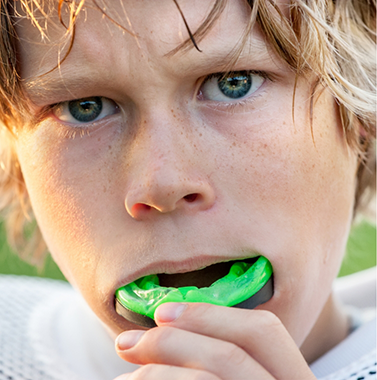
Do you play for a local sports team? Do you grind and clench your teeth at night? These can put you at risk for damaging your teeth and experiencing serious oral trauma that could require invasive treatment. By being proactive and wearing a custom sportsguard or nightguard that protects your teeth, temporomandibular joints, and facial muscles, you’ll have a lot less to stress about.
It may be tempting to open up a package or rip a price tag off of a piece of clothing using your teeth, but it’s best to just get scissors. Using your teeth as tools can wear them down, making them more susceptible to decay and infection, putting you at a higher risk of damaging one.
The key to maintaining good oral health and staying on top of any small oral health problems that may develop over time is to visit your dentist every six months for your checkups and cleanings. At these appointments, your dentist will be able to spot and treat the earlier signs of oral issues before they have a chance to wreak havoc on your smile.
The cost of emergency dentistry in Bellingham differs depending on each patient’s unique situation. For example, if a patient has a cavity that’s making their tooth sensitive, we can easily repair that issue with a dental filling. However, a severe toothache may require root canal therapy and a custom dental crown, which will be a more costly treatment plan. At Young Dental, we’ll make sure that you’re fully aware of all of your treatment options and walk you through pricing details. We’re also happy to discuss dental insurance coverage and financing with you!
Treatments for emergency dental situations can range from the cost of a simple examination to a tooth extraction and dental implant—it all depends on how severe the problem at hand is. We always recommend that our patients come in for an appointment as soon as they notice anything out-of-the-ordinary, because the longer you wait to be seen, the chances are, the more serious the problem will get.
In addition to being in-network with several major dental insurance plans and filing claims on behalf of our out-of-network patients, we also offer additional financing to make sure you can get the treatments you need. We work with CareCredit, a third-party, trusted financer that offers six or 12-month payment plans.
The best way to save yourself from the financial stress and shock of dealing with a dental emergency in Bellingham is to maintain your oral health by practicing a good at-home oral hygiene routine and visiting our office biannually for your checkups and cleanings. We also recommend getting a customized nightguard or sportsguard to protect your teeth from trauma and damage.