
The American Dental Association recommends visiting your dentist for routine exams and cleanings every six months. These appointments allow a trained professional to monitor your oral health, address problems in their early stages, and advise you as to better hygiene habits, but many people skip them due to fear or anxiety. Here’s a quick look at a few ways to address dental care-related stress as well as how sedation dentistry may be able to help.
How Can I Reduce Anxiety About My Dental Appointment?
A few excellent ways to make your upcoming dental appointment less stressful include:
- Bringing a book: Anticipating something you aren’t looking forward to can be stressful. Bringing a book to enjoy while waiting for your dentist may soothe your nerves by distracting you from your anxiety.
- Focusing on your breathing: Enjoying a little quiet time or a brief meditation session in the waiting room can help you remain calm during your dental appointment.
- Thoroughly brushing and flossing: Doing this before leaving for your appointment will freshen your breath and make it easier for your dentist to examine and clean your teeth.
How Can My Dentist Help?
Today’s dentists offer a range of sedation options that can help patients who are anxious or fearful enjoy comfortable and effective oral healthcare. These include:
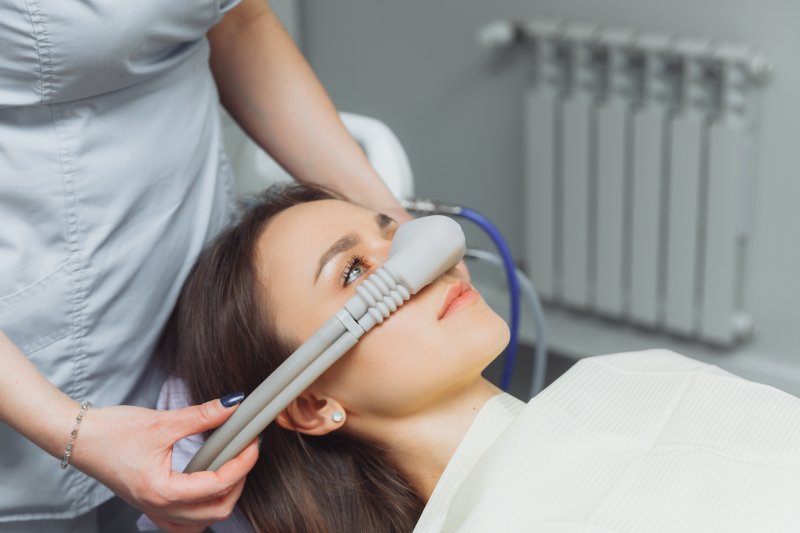
- Nitrous oxide: Also called laughing gas, this mild anesthetic can induce a sense of calm and reduce sensitivity to pain. The gas will be eliminated from the body within minutes after treatment and is associated with no long-term side effects, which makes it incredibly safe for virtually everyone.
- Oral conscious sedation: This involves your dentist prescribing a small pill to be taken briefly before your next dental appointment. By the time your treatment starts, you should feel calm and relaxed. The effects of the pill will continue for a few hours after treatment, so you’ll need to arrange for a trusted individual to drive you home and keep an eye on you while you recover.
- General anesthesia: This renders the patient unconscious and is usually recommended only for especially severe cases of dental anxiety or other issues that can make dental care difficult. The aftereffects of the treatment can last for more than twelve hours, so the patient will need to arrange for a trusted person to drive them home and make sure they are safe while recovering.
Don’t let dental anxiety make it difficult to receive necessary oral healthcare. Consulting with your dentist can help you understand how to make your appointments more comfortable.
About the Practice
Young Dental offers the finest oral healthcare services in Bellingham. Led by Drs. John Young and Lindsey Montileaux, the staff treats each patient with compassion, courtesy, and exemplary customer service. Areas of expertise include general, restorative, cosmetic, and emergency dentistry as well as sedation services. To learn more about sedation dentistry, contact the office online or dial (360) 676-0642.